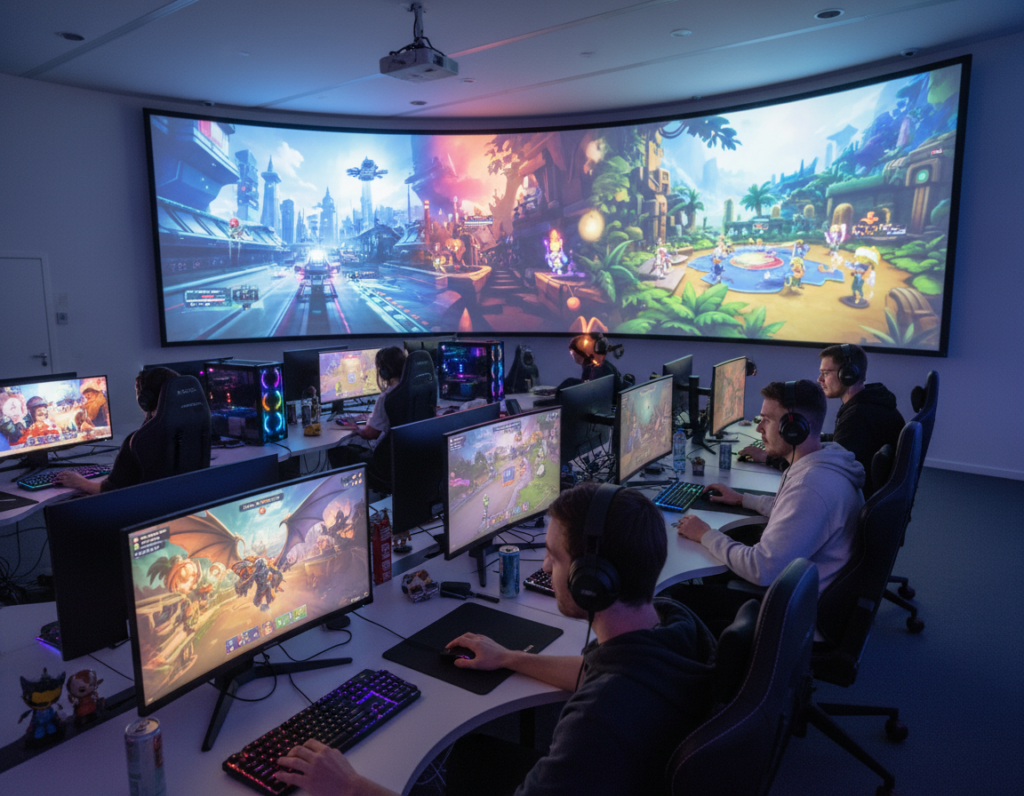
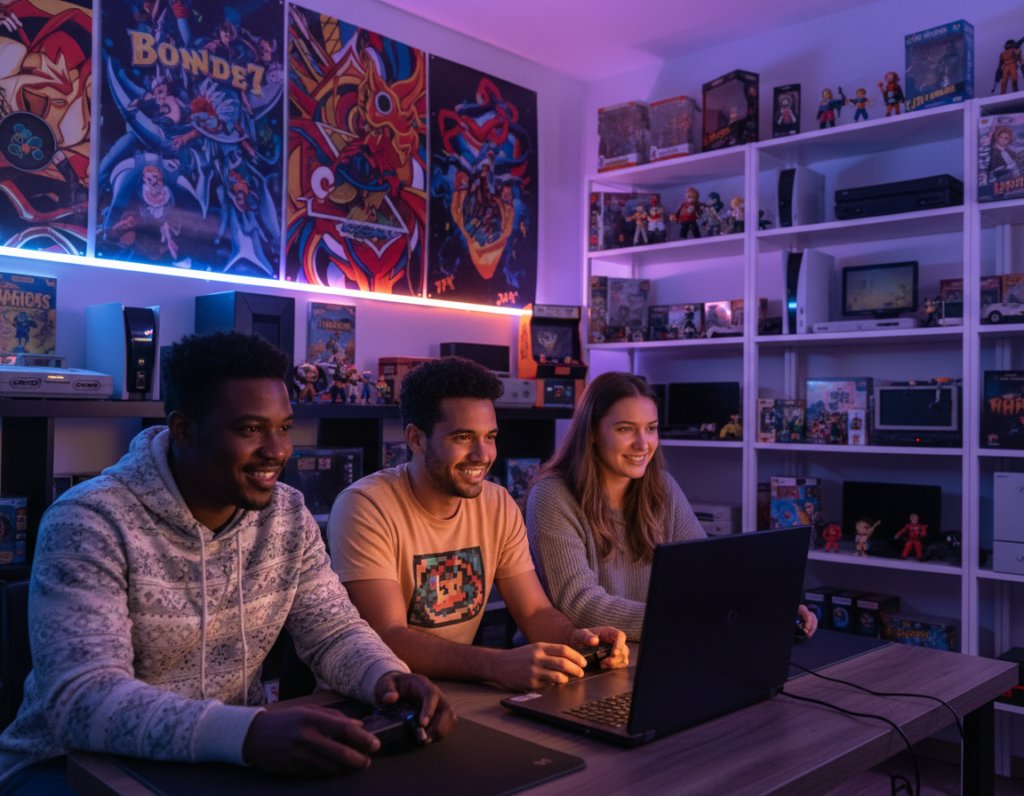
The gaming world has shifted from solitary play to a global social scene that links millions of people. This change shaped how players learn, share tips, and form a shared identity. The legacy of early forums still informs modern interaction and group norms.
Online communities now act as primary spaces where people gather to discuss new releases, strategy, and industry news. Platforms like Discord expanded options, but older forums remain a cornerstone for many players and their collaborative knowledge.
Understanding these spaces means looking at how players build a common identity through steady interaction. Today, these community hubs support millions and shape the way the industry and its people connect worldwide.
The Historical Roots of Gaming Forums
Community around play began in physical spaces long before the web connected millions. In 1962, Spacewar! at MIT signaled a new age for interactive entertainment. Local arcades served as the first meeting points where players shared tips, rumors, and rivalries.
The Arcade Era
Arcade halls were social hubs. Players learned strategies face to face and formed informal groups. This grassroots exchange shaped early media around play.
Early Online Discourse
When modems arrived, Bulletin Board Systems let fans trade files and hold live discussions. The 1982 industry crash slowed hardware progress and delayed broader online growth for some time.
By the 1990s, Usenet and niche groups hosted debates on titles and rising esports scenes. Search tools after 1998 made it far easier to find specific communities.
- 1962: Spacewar! begins a new era.
- BBS: first real global exchanges.
- 1990s: Usenet and search reshape access.
The Evolution of Gaming Forums Culture
The shift from arcade meetups to wide-reaching online hubs reshaped how players connect and share. In the 1990s, the launch of Newgrounds in 1995 became a focal point where many millennial users traded creative work and took part in deep discussions.
Over time, small local groups broadened into global communities. Sites stored play guides, user stories, and strategy notes that later helped shape the modern game industry.
- Local arcades to global networks that archive experiences.
- Newgrounds and similar platforms enabled user-created content and sustained discussions.
- Forums evolved into feedback channels between developers and fans.
Today, these networks are an important part of how individuals form identity and find social support across age groups. They remain key archives of player experiences and a continuing influence on how players perceive their role in the broader culture.
From Bulletin Boards to Modern Social Hubs
The mid-2000s brought a clear shift. Small, volunteer-run boards made way for large social networks that changed how people shared content and news. This shift affected moderation, user autonomy, and the kinds of conversations that thrived online.
The Shift to Corporate Platforms
Corporate platforms like Facebook and Reddit offered structure and scale. They helped fans find each other but often prioritized advertiser-friendly media over raw community content.
Many gamers and fans migrated to these social media sites for easier sharing and better tools. Managing large user bases required new moderation systems and clearer rules.
- Platforms like Facebook and Reddit increased reach but reduced community control.
- Platforms like Discord later restored more flexible spaces for real-time chat.
- The rise of corporate social media shifted content toward safer, brand-friendly formats.
For an overview of where these trends lead, see the future of social media trends.
The Rise of Discord and Real-Time Interaction
The launch of Discord in 2015 marked a turning point for live chat and team coordination. It let players build and moderate dedicated servers for text and voice, creating fast, focused spaces for interest-based exchange.
Real-time tools changed how tactical work and social exchange happen. Competitive teams use these servers to plan strategy, review match replays, and share quick updates during practice.
Tactical Coordination
Teams rely on voice and threaded text channels to coordinate mid-match calls. This reduces delay and increases precision in high-pressure esports play.
Developer Engagement
Official servers for titles like League of Legends, Valorant, and Genshin Impact let developers interact directly with fans. That connection boosts engagement and helps shape future content.
The Role of Voice Chat
Voice chat has become a core feature. It supports instant teamwork and fosters closer bonds among players, from casual groups to pro teams.
“Real-time servers blurred the line between casual spaces and professional collaboration.”
- Since 2015, Discord redefined real-time interaction.
- Servers bridge casual players and developers.
- Voice chat powers modern teamwork and esports performance.
Gaming Communities as Cultural Archives
Historic threads, mod packs, and fan essays act as living records of how players and creators shaped games over time.
Modding communities built entire franchises; the Counter-Strike mod is a clear example of grassroots work that became a global title. Long-running discussions also preserve deep analysis, such as fan theories that unpack Dark Souls’ complex lore.
Real-time platforms like Discord produce quick trends and memes that spread across the internet. These servers capture the pulse of players and often seed wider online conversations.
Developers monitor these spaces to study player behavior and predict trends. That research helps teams make design choices and respond to shifting player sentiment.
- Archives keep creator contributions visible across decades.
- Message logs and mods document technical and social evolution.
- Communities ensure history remains accessible to future researchers.
“Preserved community work offers an unmatched window into the medium’s past.”
Impact on Esports and Professional Collaboration
Competitive play now relies on tightly knit online hubs where analysts and pros swap tactics in near real time. These spaces helped turn amateur interest into structured leagues and steady careers.
Economic Influence of Competitive Play
The rise of professional leagues created clear revenue streams. Ticket sales, sponsorships, and broadcast rights brought major brands into the mix.
Community spending also matters. Active gaming communities drive merchandise purchases, tournament viewership, and microtransaction sales that fund teams and events.
- Fans buy team jerseys and subscriptions that support organizers.
- Patch debates on forums and servers spark interest in new content.
- Analyst coverage in media expands audience and ad revenue.
Professional Collaboration and Talent Pathways
Platforms like dedicated servers allow teams to run scrims, share VODs, and test meta shifts before trends hit mainstream channels. That work refines strategy fast.
Player identity often ties to a favorite team or role, and that loyalty boosts engagement during league play.
“Community-driven exchange turned casual matches into scouting grounds for pro rosters.”
- Organized scrims let unknown players be noticed by scouts.
- Community tournaments provide stepping stones into pro circuits.
- Shared analysis helps teams react quickly to balance changes.
Identity Formation and Social Support
Dedicated servers and chat spaces give individuals a safe arena to explore who they are. These hubs let members try new roles and express beliefs without heavy real-world risk.
Many players find that active groups provide meaningful social support. That help often improves mental health by reducing isolation and offering practical advice during hard times.
Discord servers strengthen bonds with custom roles, shared voice time, and persistent channels. Those mechanics turn casual contact into lasting connections and shape personal identity within the group.
- Younger gamers use these spaces to test values and social behaviors safely.
- Shared experiences encourage empathy and cooperative problem solving.
- Being part of a community often feels transformative and stabilizing.
“Belonging to an online group gave many people a place to grow and be seen.”
For teams and creators looking to deepen ties, see community building strategies at community building strategies.
Addressing Toxicity and Community Burnout
When harassment spreads, it can hollow out once-thriving discussions and exhaust volunteer moderators. Managing large online spaces requires ongoing moderation to meet those challenges.
Platforms and community leaders now combine clear rules with automated tools to catch repeated bad behavior. This reduces churn and preserves healthy content.
Teams and developers are also prioritizing mental health resources for moderators and streamers who face burnout. Regular breaks, role rotation, and access to support help sustain long-term service.
As social media made negative behavior easier to amplify, groups responded by running cross-community events that unite people around shared interests. Those events reduce fragmentation and renew constructive conversations.
“Addressing these challenges is essential for keeping spaces inclusive and welcoming.”
- Consistent moderation eases harassment and misinformation.
- Mental health supports prevent volunteer burnout.
- Better tools and coordinated events strengthen community ties.
Conclusion
Today, the networks that host players stitch personal stories, competitive tactics, and developer feedback into a living archive.
These communities bridge old message boards and modern real-time hubs, shaping how a game launches, how teams train for esports, and how developers tune design. They keep deep knowledge accessible and speed up productive interaction across time zones.
Members form identity through shared goals and steady engagement. That bond helps make spaces inclusive and resilient as technology shifts toward new tools and platforms.
In short, the health of these networks will define the future of play — because the medium depends first on people and the passions they share.