This article explores how digital gaming communities reshaped the way individuals find and form bonds. Howard Rheingold argued in 1994 that virtual spaces greatly increased the odds of finding like-minded peers. His observation showed how the internet allowed people to bypass local limits and seek meaningful connection.
By tracing the history of gaming, the piece explains how shared interests drove social change. Networks that began as hobby hubs evolved into places where others could meet, cooperate, and compete across distances.
The emphasis is on how these networks gave individuals new chances to connect beyond immediate surroundings. Readers will see why interaction shaped by a common passion matters and how it will influence future online life.
The Historical Roots of Digital Gaming Communities
Arcade rooms and campus terminals shaped the earliest bonds among players. In the 1980s, titles like Pac-Man, Donkey Kong, Defender and Pong drew crowds. Coin-op cabinets created a local brotherhood where people met, traded tips, and tested skills.
Arcade Culture and Early Social Bonds
Arcades produced real-world groups built around competition and shared experience. High scores and tournaments forged friendships that lasted beyond the machines.
The Era of Mainframe MUDs
At the same time, Richard Bartle and Will Crowther pioneered text-based MUDs on university networks. These early online environments let individuals explore fantasy realms together and learn cooperation.
“MUDs proved that virtual spaces could host meaningful relationships.”
- Research by Sonja Utz found 74% of MUD players formed lasting relationships.
- In 2000, Phantasy Star Online showed online multiplayer play could connect Japanese and American players.
- Early forums and groups evolved from these roots into the complex online ecosystems of later years.
By honing teamwork and skills in arcades and MUDs, gamers laid the groundwork for modern online gaming. For those studying brand and group growth, this history is essential; see mastering brand success in games for related insights.
How Digital Gaming Communities Redefined Social Interaction
Shared quests and cooperative missions created new social rituals for players across borders. These spaces let people bond over shared interests and build lasting friendships.
Modern gaming communities let players collaborate in complex virtual worlds that mirror real-life group dynamics. Through social media and dedicated forums, teams form, plan, and grow together.
That regular teamwork gives many a steady sense of belonging. For some individuals, the group becomes a primary source of support and social life.
- Online multiplayer modes let people from around the world unite over common interests.
- Shared experiences in games turn solitary play into collective memory and ritual.
- Forums and team chats help players organize, mentor others, and deepen their gaming experience.
“Virtual teams proved interaction in play can match the depth of face-to-face ties.”
As gaming grows, the community remains central for those seeking connection, cooperation, and ongoing support in a changing world.
Identity Workshops and Personal Expression
Some virtual spaces served as informal workshops where users shaped who they wanted to be. In the 1990s, MIT researcher Amy Bruckman called MUDs “identity workshops” for their role in letting people test gender and personal values.
Safe Spaces for Self-Discovery
Removing physical labels allowed players to try new voices and roles. Indie titles like Anna Anthropy’s Dys4ia and Triad made this explicit, using intimate game design to guide reflection on gender and identity.
Cara Ellison’s writing about her guild in Defense of the Ancients shows how a close-knit group can become a lasting source of support and friendships. For many individuals, these groups enriched lives over years by offering steady care and understanding.
- Early MUDs let people explore identity without real-world risk.
- Small, experimental games create focused spaces for personal issues.
- Guilds and teams often judge members by contribution, not appearance, which empowers marginalized players.
These environments give people room to share true selves with others in a controlled setting. They also paved the way for wider acceptance and new forms of community support.
For more on how play and self-expression intersect in modern creation, see self-expression in games.
The Role of Content Creation and Streaming
Content creation reshaped how fans share skills, stories, and value around games. The rise of streaming platforms like Twitch and YouTube made gameplay a public act of teaching and performance.
John Carmack’s choice to publish Doom’s code let thousands of players build mods and new worlds. That decision showed how open tools spark broad creation and long-term interest.
The volunteer team behind Black Mesa proved how collaborative projects can reach professional quality. Titles such as Monster Hunter, Street Fighter, Football Manager, and Eve Online highlight the economic and creative power of these groups.
Streaming media also turned play into a way for individuals to learn marketable skills. Viewers pick up tactics, production techniques, and community management tips by watching creators they trust.
“When play becomes public, it becomes a teaching moment and a source of value.”
- Streams spread knowledge and deepen the multiplayer experience.
- User creation keeps games fresh and fuels long-term engagement.
- Fans often convert passion into careers or meaningful projects.
Bridging the Gap Between Local and Online Spaces
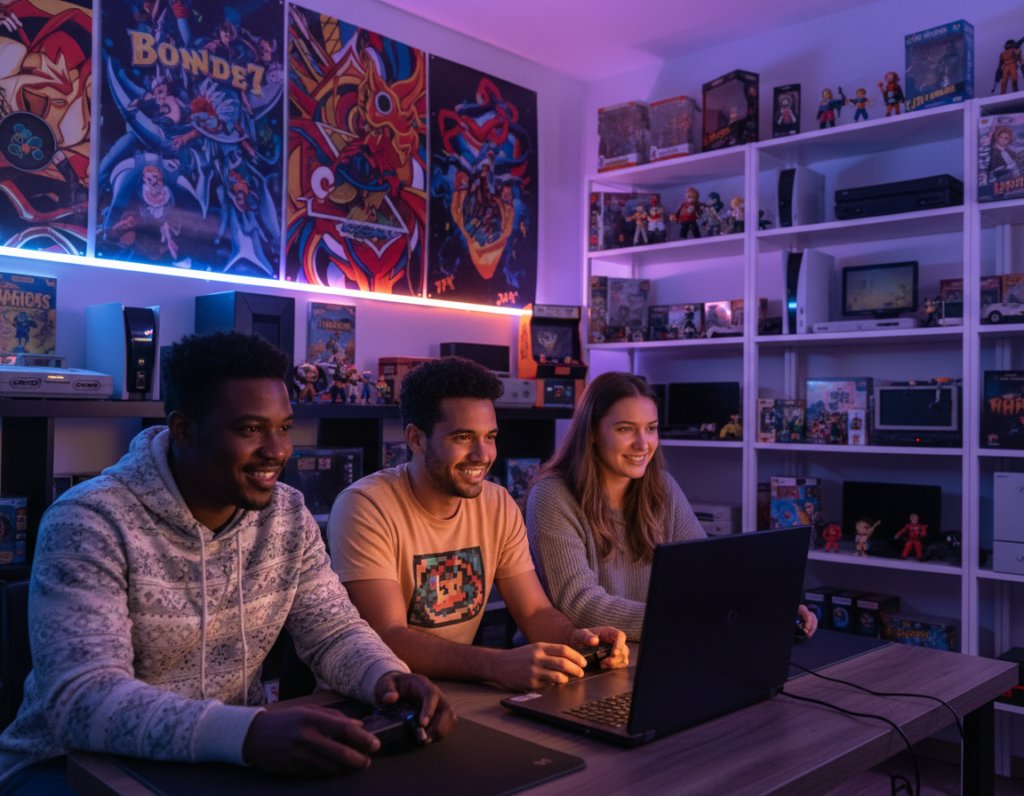
When players meet in real rooms, online ties become social networks with shared memories and rituals. These gatherings help people move from chat windows to real-world friendship and support.
Face-to-Face Interaction
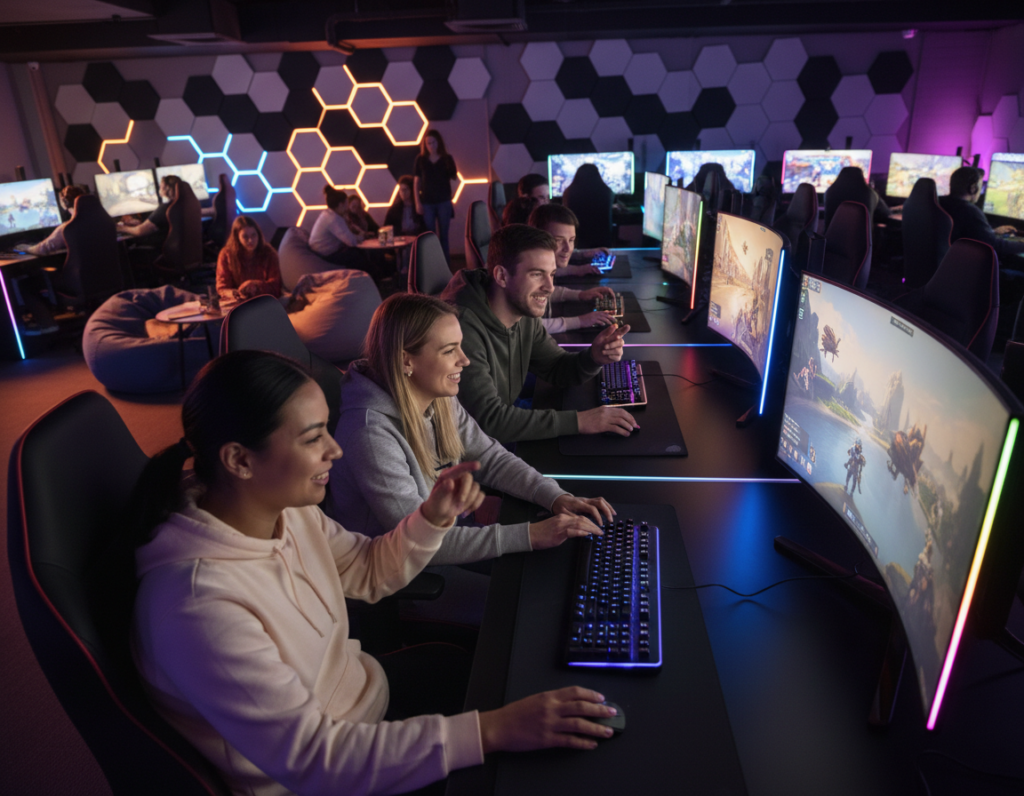
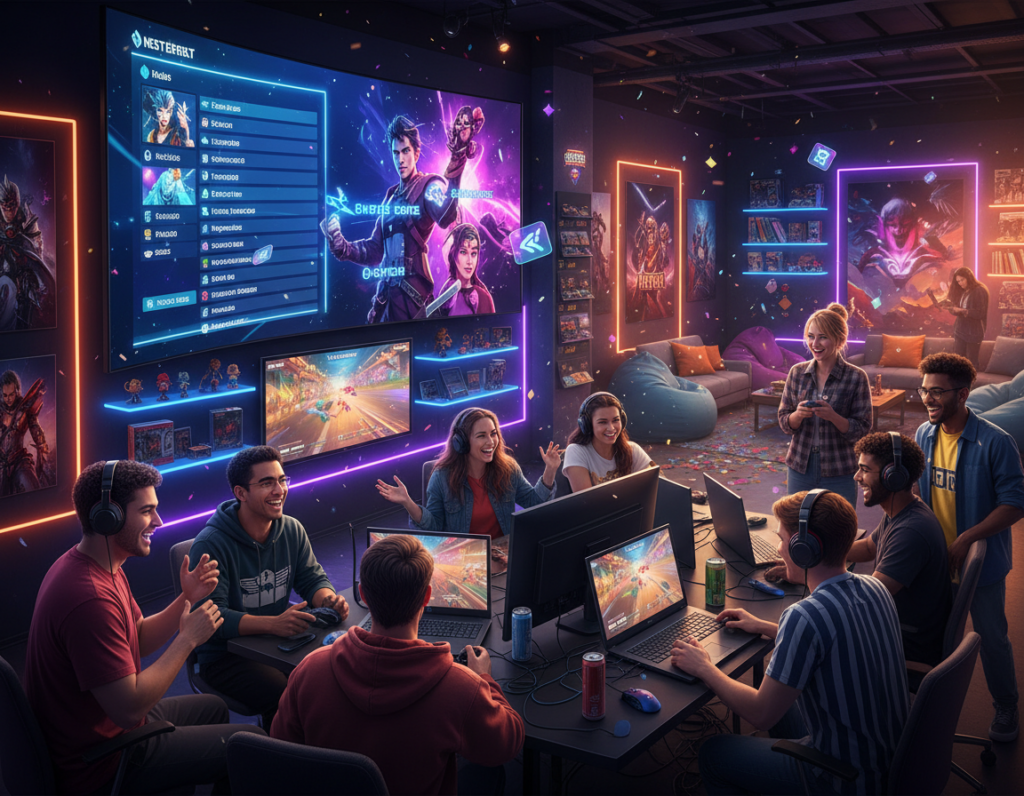
Local groups host tournaments, LAN parties, and charity events that invite players to meet. Big conventions like Quakecon and MineCon prove that thousands still value in-person moments.
Shared events deepen the gaming experience by turning ephemeral matches into stories people retell for years.
Community Mentorship
Experienced gamers mentor newcomers at meetups and through organized workshops. This hands-on guidance raises skills and helps others feel welcome.
“Mentorship at local events often converts casual players into long-term contributors.”
- Face-to-face meetups create stronger friendships that outlast specific titles.
- Mentors pass on tactics, etiquette, and leadership to new players.
- Local groups build support and opportunities for charity, teamwork, and steady social ties.
For an angle on how physical and virtual layers converge, see this piece on bridging the virtual and real worlds.
Navigating Challenges and Toxicity in Modern Platforms
Maintaining a healthy online space now requires constant attention from developers and moderators.
While gaming communities offer connection, they also face serious issues like harassment and hate speech. The anonymity the internet provides can let bad actors act without consequence.
Social media and game forums are the usual battlegrounds where players call out problems and demand change. Community leaders must combine clear rules with swift enforcement.
Tools matter: reporting systems, proactive filters, and human review reduce harm. Developers who build these protections send a strong signal that the platform values safety.
“Setting firm standards for interaction helps transform hostile spaces into welcoming ones.”
- Set clear codes of conduct and publish enforcement steps.
- Train moderators and use automated tools to catch repeat offenders.
- Engage users in reporting and education to build resilient communities.
Addressing toxicity is ongoing work. When platforms act decisively, online games and forums can remain places where gamers meet, learn, and thrive.
Conclusion: The Future of Online Connection
The rise of new tools and social platforms has moved play from niche rooms into wide networks on the internet. This article underscores how that rise created fresh paths for people to meet and collaborate.
Looking ahead, online communities will offer more opportunities for players to bond over shared passion. Regular events and better tools will grow the sense of connection while making spaces safer and more inclusive.
In short: adaptability will keep these networks a lasting part of social life. For perspectives on how this path continues, see the future of gaming communities.