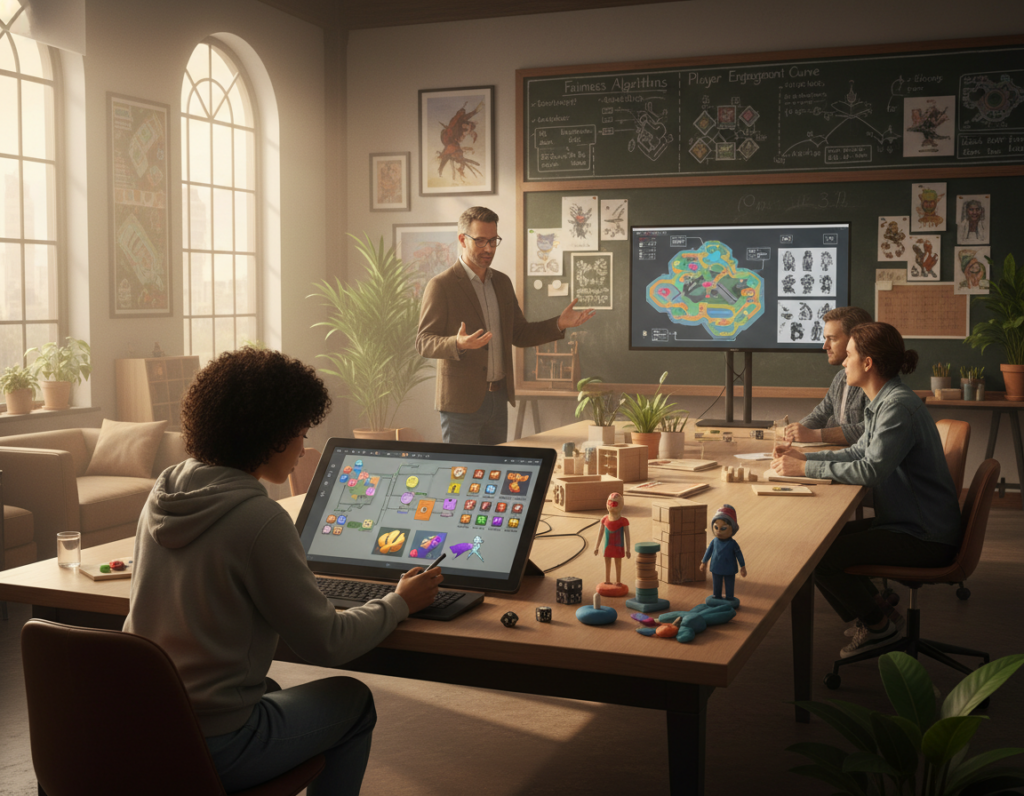
The study of player behavior shows how designers shape moments of reward to keep players engaged. They create short cycles of feedback that offer a sense of progress and small wins. These mini-gratification loops are probably best described as targeted reward systems.
Modern studios use cards and points to build long-term retention. When cards play into a system, set cards and icon cues guide decisions and craft strategies. Players respond to clear rewards and visible progress, so the design concentrates on timing and the number of choices a player faces.
Even though critics debate the clinical term, the industry refines how rewards and social aids influence time spent in digital worlds. Researchers study how icons, money flows, and video feedback create a sense of accomplishment that keeps players coming back. This article examines that interplay and what it means for fun, retention, and design.
The Psychology Behind Addictive Game Mechanics
From arcades to mobile screens, designers learned to pace rewards to keep users returning. This history shows decades of refinement in timing, feedback, and visual cues that foster routine play.
Researchers debate whether behavioral addiction qualifies as a medical condition, but the cultural reach of video games suggests a real psychological effect. Players often respond strongly to quick wins and visible progress.
Developers use cards and layered reward systems to extend interest. A single card or icon can trigger pleasure centers and make a session feel disproportionately rewarding compared with other pastimes.
- Designers build loops that encourage repeat interaction.
- Cards and UI cues act as constant reminders of progress.
- Small, frequent rewards stabilize long-term engagement.
By studying these patterns, researchers and creators can explain why some video game experiences become daily habits and why players return even when the core loop is simple.
Understanding the Core Appeal of Modern Gaming
Many contemporary designs answer a simple human urge: to bring order to a small, controllable world. That need for structure helps explain why players return and how designers shape choices to feel meaningful.
The Need for Order
Order gives players a clear path. Designers use icons, points, and lists so each decision feels like progress. Small systems let a player sort items, manage resources, and see steady completion.
- Organizing inventories or cards creates a visible sense of control.
- Consistent rules reduce confusion and raise satisfaction.
- Clear feedback turns short tasks into long-term goals.
The Desire for Achievement
Achievement is a measurable reward. Many games use cards and resources as proof of success. Accumulating cards, points, or status validates a player’s time and fuels further play.
Modern game design balances world difficulty with reward frequency to extend engagement. The end goals often give the player money, status, or a lasting sense of accomplishment.
The Role of Match Mechanics in Player Retention
Match systems turn tiny choices into a steady cycle of wins that reward attention and time.
In Screw Master 3D: Pin Puzzle, players match screws of the same color to clear the board. This example shows how matching creates a clear sense of progress at each level.
Boxes that store items add strategy. They force quick decisions and influence how many cards or items a player manages at once.
Developers layer visual icons and points to maintain momentum. These rewards refresh the play loop and make worlds feel dynamic.
- Simple cycle: match, clear, reward.
- Strategic depth: boxes and limited card slots change choices.
- Retention boost: frequent rewards keep players returning.
As a game design tool, the match mechanic balances order and surprise. It is one way designers create lasting engagement across many games and worlds.
Leveraging Multiple Choice for Narrative Immersion
Choice-driven narratives turn small decisions into defining moments across virtual worlds. When developers offer branching paths, each decision becomes a visible point of divergence. This design gives players a real sense of ownership over the story.
Consequences and Replayability
Multiple-choice systems let the player shape tone and outcome. Using cards to present options helps players visualize consequences. A single card can map a moral turn or a tactical shift.
Branching paths increase replayability. Players return to explore alternate ends and different strategies. Each decision acts like a point on a branching map and rewards curiosity.
“Meaningful choices make narrative systems feel personal and consequential.”
- Visible stakes: icons, points, and cards show cause and effect.
- Replay appeal: branching choices push players to test new ways.
- Emotional buy-in: decisions connect the player to characters and worlds.
Designers must ensure every choice matters and avoid systems that trivialize player action. Done well, choice-based design enhances immersion and extends the lifetime of a game.
Strategic Resource Management and Economic Balance
Careful economic design forces players to weigh short-term gains against long-term expansion.
Strategic resource management in many games asks a player to balance the acquisition of goods with the need to grow influence across virtual worlds.
The cycle of investing money into upgrades and managing limited supplies is a core mechanic that sustains long-term play. Developers often show resource levels on cards so players make informed decisions fast.
By offering a clear example of economic growth, designers teach players how to prioritize strategies for the best end result. Every allocation of money becomes a point of contention that tests planning.
- Visible tracking: cards and icons reveal available goods and points.
- Balanced reward: the right number of resources avoids frustration and keeps flow.
- Decision weight: each choice changes the next cycle of income and upgrade options.
The term economic balance is vital. Well-tuned economies give a clear sense of progress while preserving meaningful trade-offs for players.
The Influence of Competitive Online Environments
Competitive online play reshapes how social pressures and status cues hold players in virtual worlds.
The scale matters: some titles have surpassed 125 million players, and top streamers can earn vast sums. This visibility raises the stakes for everyday matches.
Team Based Pressure
Being on a team adds immediate social cost to mistakes. A single poor move can affect rankings, points, and a player’s reputation.
That pressure can strain personal life. For example, 200 UK divorce filings mentioned Fortnite in one period, showing how team stress and time demands can spill over.
Social Reinforcement
Public ranking, streaming, and peer praise reward constant improvement. Some professional players report earnings as high as $500,000 a month, which turns hobby play into high-stakes work.
Cards, icons, and leaderboards act as social signals that encourage repeat sessions. Team rankings and visible rewards keep players returning even when play causes conflict.
- Scale: large player pools amplify social influence.
- Pressure: team expectations increase stress and time investment.
- Status: visible rewards and ranks drive competitive strategies.
“The constant need to improve one’s rank is a powerful force that narrows the line between pastime and compulsion.”
Escapism and the Draw of Massive Multiplayer Worlds
Massive multiplayer worlds let people step into identities they cannot access offline. Players find comfort in a place where status, skill, and social roles are visible and earned.
The lure often centers on rare goods and status symbols that have no real-world counterpart. Virtual items and cards act as portable proof of achievement. A single card or set of cards can signal rank, power, or belonging.
Many players use these environments to cope with stress. Predictable icons, steady points, and clear social rituals offer a reliable rhythm. That structure helps people manage real-life pressure for a stretch of time.
- Community: shared goals create a sense of being part of something larger.
- Progress: visual indicators like cards and icons show growth.
- Balance: players develop long-term strategies to juggle virtual duties and real commitments.
The video experience is effective at providing temporary relief because it blends social connection, tangible rewards, and planned challenges. For many, the escape is restorative when kept in healthy proportion to daily life.
Adrenaline and the Engagement of First Person Shooters
The rush of combat in first-person shooters creates a short, sharp loop of tension and reward.
Fast encounters force split-second choices. That urgency raises heart rate and narrows attention. Players react to sound, flash, and sudden threats.
Immediate rewards—points, icons, and visible feedback—close the loop. Each hit or victory gives a clear signal that the player did well. This feedback sustains play over time.
Many titles pair this rush with progression systems. Unlockable goods, cards, and a rare card drop promise new goals. Those rewards keep practice purposeful and strategic.
- Reflex testing: players use matches to hone aim and tactics.
- Competitive thrill: short rounds fuel repeat sessions.
- Design intent: the mechanic ties arousal to measurable gains.
“Rapid feedback and visible rewards make combat feel immediate and worth returning to.”
The industry leverages these elements so games hold attention and turn isolated moments into lasting engagement in modern video culture.
The Impact of Mobile Gaming and Microtransactions
Microtransactions embedded in quick-play loops shift small decisions into real financial risk for many players. Mobile access makes it easy to buy points, boxes, or rare cards in moments of impulse.
One man reportedly spent $10,000 on purchases between 2015 and 2016. That case highlights how short sessions and constant prompts can blur the line between harmless spending and harm.
Developers often design short bursts of play that reward repeat visits. Collectible cards, icons, and small goods encourage frequent, low-value buys that add up over time.
- Purchases are small but frequent, creating sustained pressure to spend.
- Cards and rare drops turn simple choices into ongoing chase moments.
- Design choices can create a persistent urge to stay engaged and buy more.
“Designs that nudge micro-purchases raise real ethical questions about consumer protection.”
The industry must balance profit with duty of care. For context on spending effects, see a related study on spending patterns that examines player behavior and financial harm.
Identifying Signs of Behavioral Gaming Compulsion
Signs of compulsive play often show up in small, daily choices long before a major crisis appears.
“When play starts to crowd out real life, it’s time to act.”
Video game addiction has been a recognized issue for about 20 years. A common indicator is when a player spends more than three hours a day on a title and lets chores, work, or relationships slip.
Loot boxes and level-based progression can fuel this pattern. Players chase the next reward, whether it’s rare cards, a new card drop, or extra points, and this chase can extend play time without clear limits.
Friends and family often notice changes first. If someone hides play, loses sleep, or prioritizes games over commitments, it is probably best to seek support from a professional or a trusted advisor.
- Track time: record daily hours to spot trends.
- Set limits: create clear boundaries around play.
- Seek help: counseling can address underlying issues tied to addiction.
Recognizing these signs helps players and supporters restore balance between virtual rewards and real-life responsibilities.
How Developers Utilize Flow Theory
Designers rely on psychological flow to shape moments where attention narrows and progress feels effortless. This principle guides modern game design so challenge and skill align.
Teams tune difficulty to match a player‘s ability. When the match is right, players stay absorbed and return for longer sessions.
Clear rules, consistent rewards, and visible cues like cards or icons help maintain that state. A single card can show status and the next objective, reducing confusion and boosting momentum.
An addictive example is one that applies flow well: enough challenge to engage but not to frustrate. Developers measure the time players spend in flow and adjust the core game mechanics and reward pacing accordingly.
“Flow turns short tasks into sustained focus and makes progression feel natural.”
- Balance challenge to skill.
- Use visual cues like cards and icons.
- Measure time-in-flow to refine the mechanic.
The Importance of Meaningful Player Progression
Progression systems give value to a player’s time by turning small actions into visible milestones. When each session advances a clear path, players feel their effort matters.
Level-ups, new goods, and rewards form a motivating cycle that encourages return play. Developers should match effort with payoff so milestones feel fair and earned.
The use of cards to track achievement helps players visualize that journey. Cards, icons, and a clear level marker make each milestone tangible and memorable.
Designers balance challenge and reward by adjusting difficulty so that progress stays satisfying. Good progression systems guide long-term goals while offering steady short-term wins.
“Progression should respect time and deliver meaning with every step.”
- Fairness: align rewards to required effort.
- Visibility: use cards and icons to show growth.
- Longevity: design cycles that support long-term engagement.
Balancing Creative Freedom with Game Design
Designers face a constant tug-of-war between player freedom and the guardrails that keep play focused.
Good design gives space to explore the world while keeping goals visible. Players should feel free to experiment without losing purpose.
Consistent mechanics that match the setting help make choices feel natural. When rules fit the world, exploration becomes meaningful rather than chaotic.
Using cards or a single card to present options simplifies decisions. Cards let developers offer depth without overwhelming the player.
- Provide clear affordances so choices stay readable.
- Iterate on pacing to preserve focus and engagement.
- Layer systems so exploration rewards curiosity.
“Freedom must be framed—structure directs creativity without erasing it.”
Successful studios balance structure and open play by testing, measuring, and refining. For a deeper look at how teams craft systems that respect creativity, see crafting unforgettable experiences.
Addressing the Long Term Effects of Digital Engagement
As time in virtual worlds stretches from hours to years, the industry must reckon with lasting effects on daily life.
Addressing long-term digital engagement is a growing concern for creators and regulators. Developers bear responsibility to make design choices that protect the player and respect household finances.
Virtual goods and frequent rewards should balance enjoyment with safeguards. Transparent pricing, clear odds for rare goods, and easy spending limits help protect players.
- Research: long-term studies inform safer game design and healthier sessions.
- Tools: time trackers and spending caps give players control.
- Policy: industry standards can reduce harm while preserving creative play.
Ethical game design means prioritizing the player’s experience and well-being. By studying video game effects and sharing best practices, studios can make video games that reward without harming lives.
“Sustainable design asks more than engagement—it asks for care.”
Ethical Considerations for Future Game Development
Design teams must balance commercial aims with a clear duty of care for players. Future development should place mental and physical health at the center of decision making.
Developers need transparent systems for rewards and progression. Clear odds, spending caps, and visible timers help players make informed choices.
The use of collectible cards and similar items must be fair. Studios should avoid exploiting status drives by limiting predatory loops and by offering meaningful non-monetary paths to recognition.
Inclusive design makes titles accessible without pressure. Accessibility options, flexible pacing, and easy-to-find parental controls protect vulnerable groups.
- Transparency: show odds and costs for rare drops.
- Limits: offer spending and time controls.
- Alternatives: create routes to progress without purchases.
“Prioritizing player well-being builds a more sustainable, trusted industry.”
Conclusion
Player choices, visible progress, and clear costs all shape long-term engagement. ,
In summary, the psychology behind modern games is complex but understandable. Developers use cards, cues, and pacing to keep players engaged while steering attention and reward.
It is probably best for the player to set limits and track time. By learning how set cards and a single card drop influence behavior, players can make smarter choices about time and spending.
Even though some titles feel incredibly addictive, players retain control by using tools, clear rules, and mindful habits. When balance wins, games stay fun and healthy for everyone who keeps playing.