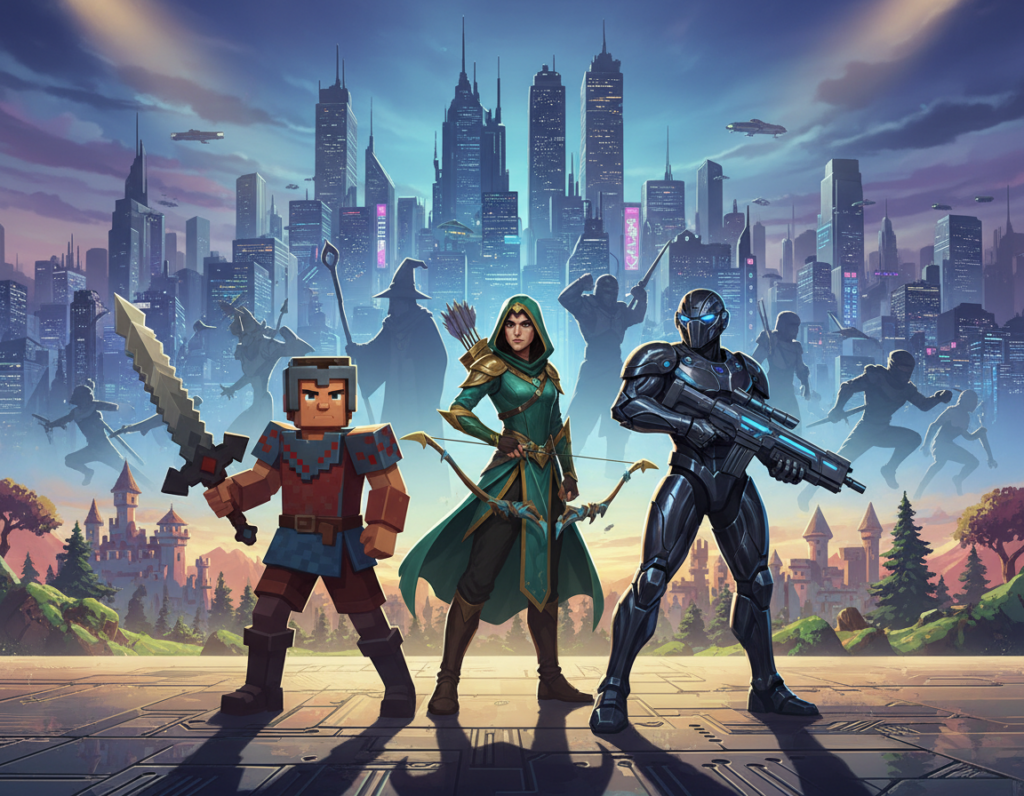
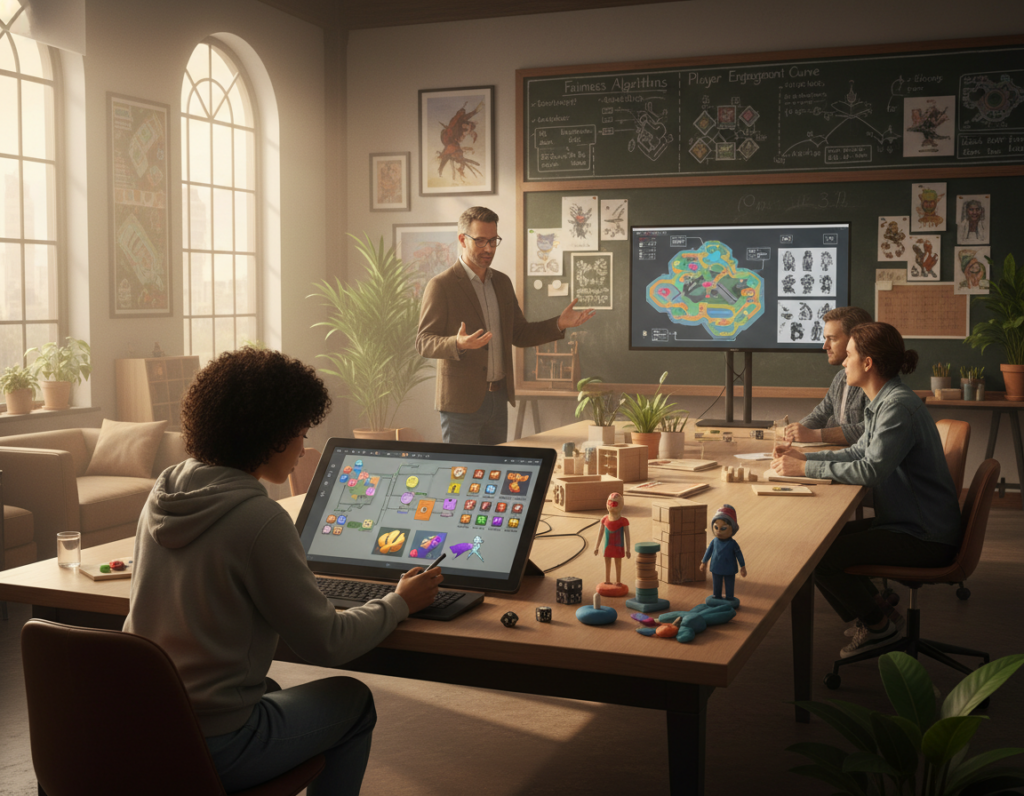
This section opens a clear, practical list of methods that top studios use to build worlds players return to again and again.
It explains how a simple idea can grow into a deep video experience. The text outlines an actionable list that shows the way pros shape pace and play over time.
Readers will see examples from popular titles and learn how to apply these methods to their own projects. The focus stays on building stronger mechanics, richer narratives, and smarter systems.
By the end of the article, they will know which steps to take to move from concept to finished product and how to measure impact in play sessions.
Understanding the Core of Game Design
At its heart, good game design maps the rules and systems that shape every player choice. It sets goals, mechanics, and feedback loops that turn ideas into playable systems. This blueprint explains which elements belong and how they fit together.
Designers craft rules that control how people interact with a virtual world. They balance the power of player agency with a clear sense of purpose so play stays fun and focused.
By centering the core experience, teams build a place where players feel connected. Understanding the way players think helps designers create steady progression and a constant sense of achievement.
- Define rules and mechanics that guide interaction.
- Balance agency and purpose to preserve fun.
- Integrate elements so the world supports the experience.
These foundational things form the process that shapes how players navigate challenges and find meaning in play.
Essential Creative Game Design Techniques for Modern Developers
Top teams blend systems and story so each session feels meaningful. This section outlines core approaches that keep players engaged and levels fresh. It covers how mechanics and narrative work together to create flow in single and multiplayer titles.
Mechanics and Systems
Developers use layered mechanics, clear goals, and gamification to guide player choice. A well-made level map serves as an example of spatial design shaping movement and risk.
Balancing systems means tuning progression and difficulty so every player finds challenge and reward. These systems also enable social loops in multiplayer and persistent goals in video projects.
Narrative Integration
Story elements merged into core mechanics make actions feel meaningful. When narrative cues appear via mechanics, players stay invested and the world gains coherence.
- Use mechanics to reveal plot rather than separate it from play.
- Map encounters to pacing to preserve fun across levels.
- Apply gamification thoughtfully to reward exploration and teamwork.
Defining the Primary Components of Immersive Worlds
When people can shape outcomes, the world feels alive and worth exploring. Immersion depends on clear systems that let choices matter while keeping the overall arc coherent.
Player Agency and Choice
Player agency is the power to make choices that change the game world. This creates a strong feeling of investment in unfolding stories.
Every level should give a real sense of progression. Players need moments that reward exploration and let them have fun while moving forward.
- The core mechanic of choice lets people shape their path.
- Giving players influence makes the world feel responsive and personal.
- Balance freedom with structure so the experience stays meaningful.
Teams that master agency build deeper games and richer stories. For further reading on crafting memorable interactions, see crafting unforgettable gaming experiences.
Navigating the Stages of the Development Process
A clear roadmap helps teams move from a raw idea to a polished release without losing momentum. The process breaks work into stages so people know priorities and time limits.
Concept and Planning
At this stage a game designer shapes the initial idea into a plan. Teams list goals, core mechanic, and target players.
Knowledge from research sets scope and the job roles needed to build the world.
Prototyping and Testing
Teams build a basic version to test if the core mechanic is fun. Early tests save minutes and reduce rework later.
Rapid iterations reveal what works and what needs change before levels grow larger.
Release and Support
Post-release work focuses on listening to players, fixing bugs, and shipping updates.
Maintaining a clear place for feedback helps refine stories, systems, and the overall experience through the end of the cycle.
- Concept: turn an idea into a playable plan.
- Prototype: test core play quickly and cheaply.
- Support: use feedback to improve over time.
Technical Requirements for Aspiring Designers
A solid technical foundation lets new developers move ideas into working prototypes quickly. A degree in game design, computer science, interactive media, or a related field provides formal knowledge that helps start a career in this place.
Programmers should learn C++, C#, or Python to build core systems. Scripting languages such as Lua or JavaScript speed iteration and automation for levels and UI.
Visual skills matter too. Mastery of Photoshop or Maya and basics in 2D and 3D art, animation, and visual storytelling help a team shape the look of a map and a level.
Multiplayer projects require knowledge of networking and balanced maps so every player finds fair, fun encounters. Institutions like Baker College offer programs that teach the technical stuff and practical workflows.
- Learn C++, C#, or Python to power systems.
- Use Lua or JavaScript for fast scripting and prototypes.
- Study Photoshop/Maya and visual asset pipelines.
- Practice mapping multiplayer spaces for balanced play.
By combining code, art, and systems thinking, an aspiring designer gains the way to deliver polished video and interactive experiences.
Building a Professional Portfolio
A portfolio should tell a compact story of ideas, iterations, and measurable outcomes.
Hiring teams look for work that proves a candidate can move from concept to a playable result.
Showcasing Personal Projects
Personal projects should demonstrate mastery of core game principles and a clear understanding of design intent.
Include a video walkthrough of at least one custom level so reviewers can watch player flow and pacing in real time.
- Show completed prototypes and explain the idea and your role in short notes.
- Provide a video that highlights player encounters, level layout, and key decisions.
- Refine documentation and prototypes many times to raise polish and clarity.
- Highlight specific contributions so studios know what the applicant can own.
- Keep the portfolio current; building it is an ongoing effort in the industry.
Effective portfolios make it fast for employers to see skill, process, and impact across games and projects.
The Importance of Iteration and Player Feedback
Teams refine features through short cycles that turn player reactions into clear priorities. Iteration is the process of refining a game based on direct feedback from players. This keeps the final product fun and focused.
Designers spend many minutes watching how a player interacts with a mechanic. They log what feels satisfying and what breaks flow. Small fixes often create a stronger sense of power and reward.
By listening to the community, developers find new ways to improve the feeling of play over time. The iterative cycle lets teams test versions and compare results before wide release.
- Quick tests: reveal friction in minutes, not weeks.
- Regular loops: help catch issues that stop players from enjoying games.
- Measured change: ensures the final release meets industry standards.
For a deeper look at this process, read the importance of iteration in practice.
Strategies for Specialization in the Gaming Industry
A clear specialty reduces time spent learning everything and speeds career progress. When a person focuses on one path, they build depth that hiring teams value.
Specializing in an area like level or mechanic development helps a game designer stand out. This path often leads to a job that matches personal interests and strengths.
Programs such as ELVTR provide 100% instructor-driven classes that fit busy schedules. They place proven industry leaders in a virtual classroom so people get hands-on, practical knowledge in less time.
- Focus: pick a niche to deepen skill and speed hiring outcomes.
- Learn from leaders: use virtual courses to refine your unique idea and way of working.
- Stay current: follow industry trends so a game designer’s work remains relevant to player needs.
For example, a creator who specializes in narrative can shape the stories that drive player choices and level flow. That clarity makes it easier to show impact during interviews and on a portfolio.
Conclusion
The final section pulls lessons into a short roadmap for growth and iteration. Mastering game design means focusing on core principles that shape player choices and long-term engagement.
Teams should value steady testing, regular feedback, and a clear plan from start to end. Small, measured changes improve the overall experience and help creators meet player needs.
Passion and practice drive progress; they pair with iteration to build work that resonates. For guidance on building a standout brand and lasting audience, see mastering brand success.