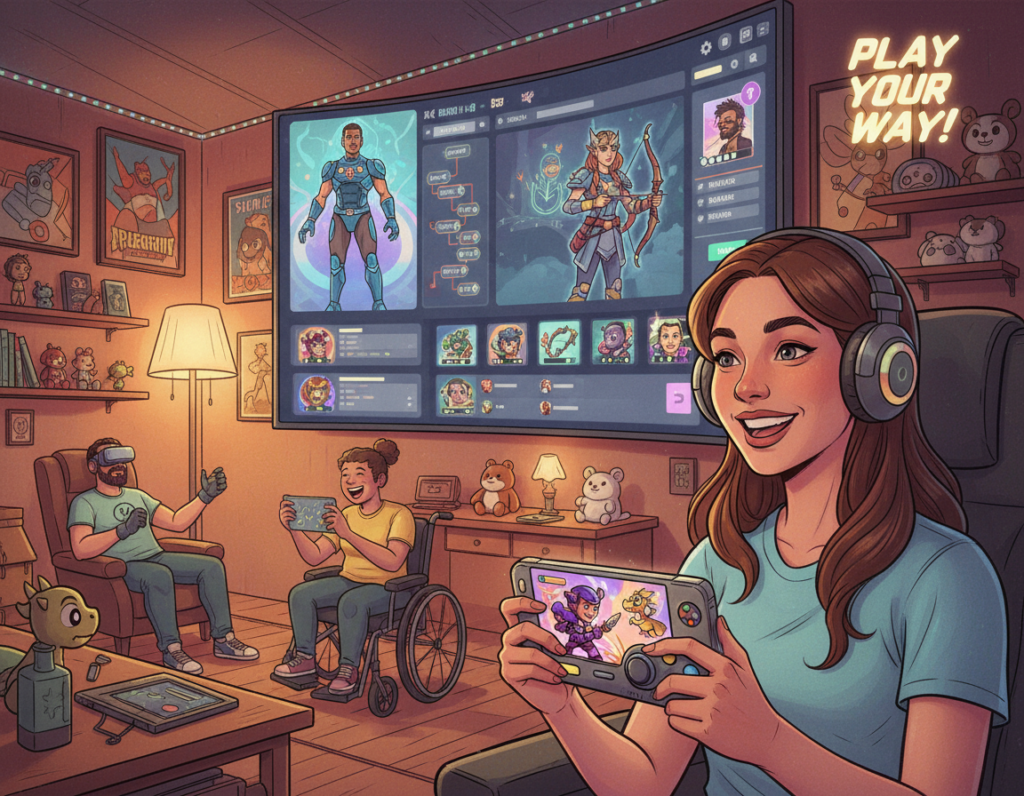
The science of how stories move people looks at brain response, visual cues, and pacing. Creators use specific elements to bypass dense text and engage attention quickly.
The first ten minutes of Pixar’s Up (2009) show how visual storytelling can convey deep feeling without a single word. That sequence is a clear example of how narrative, image, and timing combine to create emotional truth.
Design choices shape the content experience for a modern audience. Developers and creators study structure, rhythm, and sensory cues so the work resonates across screens and formats.
This section frames the topic and outlines why the elements behind an effective story are essential. Readers will learn how professionals build for the audience and why these principles matter now.
The Psychology of Modern Engagement
People absorb visual cues far more quickly than written lines, which reshapes how a story captures attention.
Visual speed matters: research shows humans process images far faster than dense text. That rapid intake helps mood, tone, and intent land before a sentence is read.
Emotional connection keeps an audience present. When viewers see aspects of themselves in a narrative, their cognitive focus and memory retention rise sharply.
- Designs that match mood and sound guide feeling.
- Clear visual signals reduce confusion and increase recall.
- Small choices in pacing can turn passive watching into an active, memorable experience.
“By shaping emotional triggers, creators transform brief attention into long-term engagement.”
For deeper reading on engagement science and applied design, see psychology of engagement and a practical guide to crafting player experiences at crafting unforgettable gaming experiences.
Essential Interactive Storytelling Techniques
Granting participants control over key moments makes narratives feel personal and urgent. This section outlines simple ways creators can build that effect into a project.
The Power of Choice
The Power of Choice
Well-placed choices give the audience real influence. When options matter, readers and viewers weigh outcomes and return to see consequences.
Meaningful choices avoid fake branching. They change characters, tone, or the plot’s direction. That sense of consequence increases investment and keeps people engaged.
Community-Driven Narratives
Community-Driven Narratives
Platforms that support mass input can turn a simple story into a social event. Twitch Plays Pokémon is a prime example: thousands of people shaped one continuous playthrough.
- Provide clear tools for action so participants guide the plot with purpose.
- Create a place where input visibly alters outcomes in real time.
- Design feedback loops so the audience sees how their choices matter.
“When participants are given the power to shape the story, they become more invested in the outcome.”
Leveraging Visual Composition for Narrative Flow
Visual composition steers the eye and the mood, turning static frames into a clear narrative path.
Rule of Thirds and Framing
Rule of Thirds
Placing key subjects along thirds gives a frame natural balance. This classic grid helps the viewer find the most important parts of the story quickly.
Every Frame a Painting shows how directors use framing to keep the narrative moving. Filmmakers control emphasis without extra words.
Color Psychology
Color and Mood
Color choices set tone at a glance. Warm hues can suggest comfort or danger, while cool tones calm or isolate the subject.
Applied with restraint, color reinforces feeling and guides attention to essential elements.
Visual Hierarchy
Simplicity and Balance
Good design relies on a careful balance of elements. Buster Keaton’s films prove that visual simplicity can convey complex ideas through motion and placement.
- Use contrast to highlight focal points.
- Limit competing details to preserve clarity.
- Organize content so the viewer reads the scene in order.
Digital Innovation and Player Agency
Digital platforms now let players shape the plot in real time, turning choices into narrative currency.
Stephan Bugaj of Genvid Entertainment stresses that player agency sits at the center of modern storytelling. Games such as Life is Strange and The Walking Dead show how one decision can redirect a whole story and change a player’s emotional investment.
Designers give players the right tools and clear feedback. That fosters a stronger connection between the audience and the characters they guide.
- Digital innovation places participants at the heart of narratives.
- Well-crafted choices let each player have a unique journey.
- Creativity in systems and tools increases immersion and meaningful interaction.
“When participants feel their choices have real consequences, the interaction becomes a transformative journey for the player.”
For a concise primer on how the field has evolved, see interactive storytelling.
Incorporating Physicality and Movement
Simple yoga poses let kids step into a character’s feelings and actions. Movement gives a child a direct way to connect mind and body during a lesson.
Yoga and Embodied Learning
At Little Scholars Daycare, educators use the Tree Pose and Warrior Pose to help children physically embody the characters in their stories. This method makes a short story easier to recall and understand.
Benefits include:
- Children track a character’s journey by moving through poses that match plot beats.
- Poses like Tree and Warrior are simple ways to keep young learners engaged.
- Acting out scenes gives kids a place to express creativity while noticing plot details.
When children enact a scene, they form a stronger mental link to the story and its characters. Moving through different stories helps them feel the arc, remember events, and stay focused.
The Role of Sound and Atmosphere
A carefully designed soundscape turns quiet moments into clear emotional signposts.
Sound design is a core element that shapes how a story lands with the audience. Subtle cues can signal danger, calm, or change before a character speaks.
Musical ideas—motifs, tempo, and tone—create emotional bridges between scenes. These choices build a stronger connection between listeners and the content.
The overall experience often depends more on the soundscape than on visuals alone. Shifts in texture or volume tell the audience that a new action or mood is beginning.
Encouraging participation through sound—simple claps, chants, or rhythmic prompts—keeps attention tight on the topic. When the crowd contributes, the stories feel live and immediate.
- Atmosphere aligns meaning: matching sound and scene makes the narrative cohesive.
- Sound signals change: cues mark transitions and heighten tension.
- Audience participation: rhythmic involvement reinforces memory and focus.
“When sound and atmosphere are aligned, the environment becomes a character in the story.”
Overcoming Common Narrative Design Challenges
Design teams often face a central problem: too many branches can dilute the heart of a narrative. This section offers clear steps to keep a project focused while still giving players meaningful agency.
Maintaining Cohesion
Keep a strong through-line. Anchor the main plot around a clear goal or theme so every branch supports that core idea.
Limit branching to moments that change tone or character. That preserves momentum and makes each choice feel consequential.
Balancing Accessibility with Depth
Use smart design tools to hide complexity from new players while exposing depth for veterans. Layered menus, modular systems, and guided prompts help here.
- Prioritize simplicity in the core story so wider audiences stay engaged.
- Ensure characters remain relatable when plots go non-linear.
- Test content to verify that choices feel fair and meaningful.
“Focus on a simple core and build depth around it; that balance makes long-lasting stories.”
Conclusion
strong, Today’s creators use design and play to make storytelling that feels both personal and immediate. Clear choices, tight visual rhythm, and purposeful sound turn passive viewers into active participants.
These stories rely on a steady through-line and careful balance. When teams master the principles shown here, the result is an immersive narrative that stays with audiences.
The field’s future depends on ongoing creativity and a willingness to experiment across media. Apply these ideas to your projects and watch how they transform the experience and deepen audience connection.