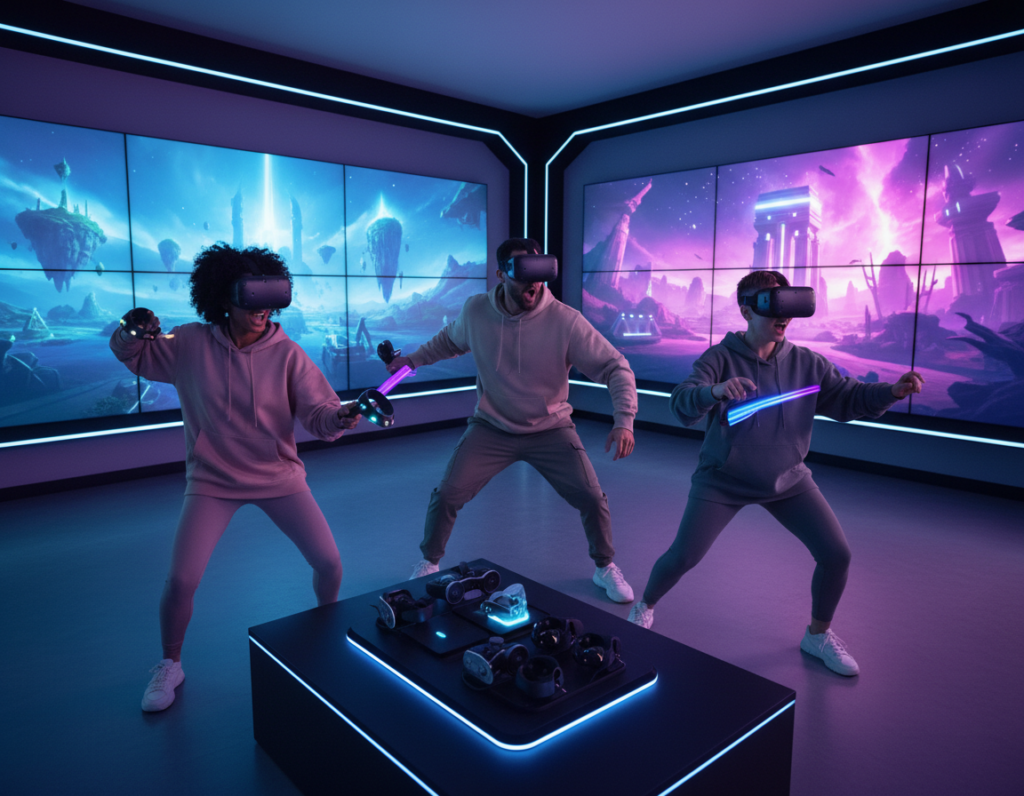
The landscape of gaming technology is ever-evolving, promising exciting advancements that can reshape how we play, connect, and experience entertainment. As hardware capabilities improve and software solutions grow more complex, gamers find themselves at the cusp of revolutionary breakthroughs. The future holds the potential for enhanced interactivity, more immersive experiences, and expanded connectivity among communities.
The integration of artificial intelligence, virtual reality, and cloud gaming solutions are just a few elements that will direct the course of future gaming technology. These innovations not only enhance gameplay but also create dynamic experiences that adapt to each player’s unique style. As technology continues to advance, the possibilities appear limitless, paving the way for new forms of storytelling and engagement.
Furthermore, the emphasis on social interaction in gaming will likely deepen as platforms evolve to connect users more seamlessly. This growing community aspect can foster stronger bonds among gamers, shifting the focus from mere competition to shared experiences. In this article, we’ll explore the various components shaping the future of gaming technology.
Advancements in Virtual Reality (VR)
Virtual reality has come a long way since its humble beginnings, evolving into a medium that offers immersive experiences unlike any other. Gamers can step into various virtual worlds, making gameplay feel more realistic and engaging. This technology additionally encourages social interactions as players explore together in shared digital realms.
In the future, we can expect significant improvements in VR hardware, including lighter headsets and enhanced graphics. These advancements will enable more fluid movements and a richer color palette, which will heighten immersion and decrease motion sickness. This leads to longer, more enjoyable gaming sessions.
Moreover, improvements in haptic feedback technology will play a crucial role in enriching user experience. Gamers will soon feel sensations through their controllers or suits that mimic real-life interactions, intensifying the sense of presence in virtual spaces. This capability can redefine how players engage with narratives and environments.
The rise of social VR platforms also exemplifies the increasing interest in shared experiences. As players gather in virtual spaces for gaming, meetings, or events, the lines between reality and digital interactions continue to blur. This trend promises to cultivate vibrant, engaging communities.
Consequently, as VR technology progresses, we can anticipate its integration into various industries beyond gaming. Applications in education, training, and even therapy indicate a vast potential that goes beyond entertainment alone. This broadening of VR reinforces its significance in the future landscape of technology.
AI and Gaming Enhancement
Artificial intelligence is swiftly becoming a key component in enhancing gaming experiences. Through complex algorithms, AI can create responsive environments and realistic characters. This technology enables games to adapt to player choices, resulting in personalized journey and unique narratives.
Future games will likely utilize AI for dynamic difficulty adjustments, tailoring challenges based on players’ skill levels. This ensures that matches remain engaging without causing frustration. Additionally, intelligent NPCs (non-player characters) will enhance immersion by behaving more convincingly and reacting dynamically to various player actions.
Moreover, we can expect AI-powered content generation to emerge, allowing for vast, procedurally generated worlds that offer fresh and varied experiences. This advancement could potentially extend the lifespan of games by providing endless exploration opportunities. Players will be fascinated by ever-changing environments and storylines.
AI can also revolutionize gaming accessibility by adapting experiences for players with disabilities. Tailored gameplay modes, personalized controls, or even voice commands can create opportunities for a wider audience to enjoy gaming. Inclusion can enrich communities and enhance overall engagement.
Ultimately, the integration of artificial intelligence into gaming technology promises not only enhanced mechanics and personalized experience but also seeks to make the gaming landscape more inclusive. As we embrace these changes, the future of gaming looks even brighter.
Cloud Gaming Innovations
Cloud gaming has emerged as a game-changer, allowing players to access their favorite titles without needing high-performance hardware. This technology brings games to a broader audience, enabling seamless accessibility across various devices. Players can dive into their favorite worlds anytime, anywhere.
The future of cloud gaming appears promising, with improvements in internet speeds and streaming technology likely enhancing user experiences. Players will experience smoother gameplay and reduced latency, which will be essential for competitive gaming. Availability on multiple devices is a significant advantage.
Moreover, cloud gaming services are expected to develop diverse gaming libraries. Subscription models may gain more traction, allowing players to enjoy numerous titles without buying each game individually. This shift can lead to greater experimentation and a wider range of gaming experiences.
As regional server technology advances, latency will decrease significantly, further enhancing players’ experiences. Players can enjoy graphically intensive games without investing heavily in hardware, creating a more level playing field in the gaming community.
Thus, cloud gaming has not only transformed how we access and play games but also broadened the potential for social interactions in gaming. This tech-driven evolution has the potential to reshape the future of the gaming landscape.
Integration of Augmented Reality (AR)
Augmented reality incorporates interactive elements into the real world, enriching gameplay experiences in exciting ways. Platforms like Pokémon GO have shown the immense potential of this technology, attracting millions of players to interactive adventures. The combination of real and digital realms is captivating.
Looking ahead, AR is expected to develop further, merging seamlessly with daily life. New devices and platforms will enhance the delivery of augmented experiences, allowing for more engaging gameplay scenarios that reflect real-world environments. Customization options will flourish as players shape their experiences.
Moreover, the rise of AR in educational contexts also indicates a valuable avenue for future exploration. Gaming can integrate learning with entertainment, facilitating skills development while engaging participants. This innovative approach can create opportunities for young learners and curious adults alike.
Additionally, improved AR interfaces will enhance storytelling capabilities. Games will be able to deliver immersive narratives that interact with actual locations, offering unique missions and quests tailored to specific environments. Location-based gameplay will thrive, fostering shared explorations in communities.
The continuous advancement of AR technology holds the potential to broaden the appeal and engagement of gaming amongst diverse demographics. This engaging approach paves the way for new gaming experiences that integrate more closely with our everyday lives.
Esports and Competitive Gaming
Esports has matured into a formidable industry, with competitive gaming garnering attention from millions of fans and participants worldwide. This phenomenon illustrates the intricate connection between technology and culture, showcasing the potential of high-level gaming. The future of esports is poised for significant growth.
As investment in esports continues, we expect enhanced broadcasting technologies to emerge. Innovations like VR and AR are positioned to revolutionize how audiences interact with esports events, potentially creating immersive spectator experiences that make viewers feel like they are part of the action.
Moreover, the proliferation of gaming analytics will provide deeper insights into players’ performances, enabling teams and fans to understand gameplay dynamics better. These tools can inform coaching strategies, improve player skills, and provide informative content for viewers.
Additionally, as universities increasingly offer scholarships for gamers, competitive gaming can become a viable career path. This educational integration can inspire the next generation of players while elevating the reputation of esports as a legitimate sport.
Ultimately, the intersection of technology and competitive gaming promises exciting possibilities for growth. The future of esports will help shape how we perceive and engage in gaming as a form of serious entertainment.
The Role of Streaming Services
Streaming platforms have transformed the way games are consumed by creating communities around shared experiences. Gamers worldwide connect through platforms like Twitch and YouTube Gaming, where they can watch, chat, and engage with content creators. This novel relationship enhances interaction.
In the future, we may see advances in streaming technology that pave the way for higher-quality broadcasts and additional interactive features. Improved tools will enable content creators to present fresh and inventive formats, captivating audiences and embracing innovative gameplay styles.
Furthermore, skill-sharing and tutorial content will burgeon, allowing players to learn from their favorite streamers. This potential growth in educational content can bridge knowledge gaps and strengthen the community, creating channels for collaboration and support.
Moreover, streamer-driven events can galvanize communities around unique challenges and interactive gameplay sessions. Ultimately, social engagement will shape the evolution of gaming consumption, as content becomes more immersive and accessible to a vast audience.
In the long run, streaming services will continue to be integral in connecting players and fostering shared gaming cultures. The rise of diverse content will inspire creativity and collaboration within the gaming community.
Conclusion
The future of gaming technology appears promising, driven by innovations in virtual reality, artificial intelligence, cloud gaming, augmented reality, and competitive gaming. Enhanced connectivity and usability will shape a more inclusive landscape.
As advancements unfold, we can expect to see deeper social connections and engaging experiences at the forefront of gaming. Community-driven initiatives will pave the way for a richer gaming experience for everyone involved.
Ultimately, the trajectory of gaming rests on the continued development of technology. As we embrace these changes, the gaming world will only become more vibrant and inviting.
Looking ahead, it’s essential to appreciate the potential of emerging technologies not just for entertainment but also for education and community building. The future of gaming invites all to join in and explore these exciting possibilities.