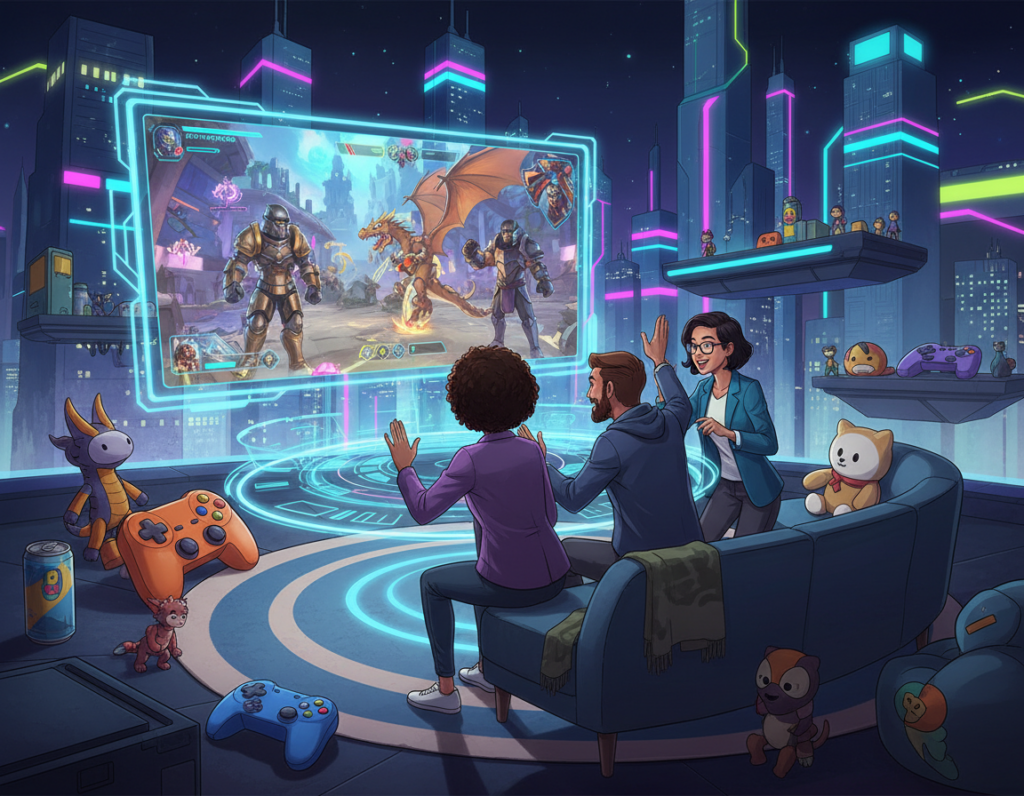
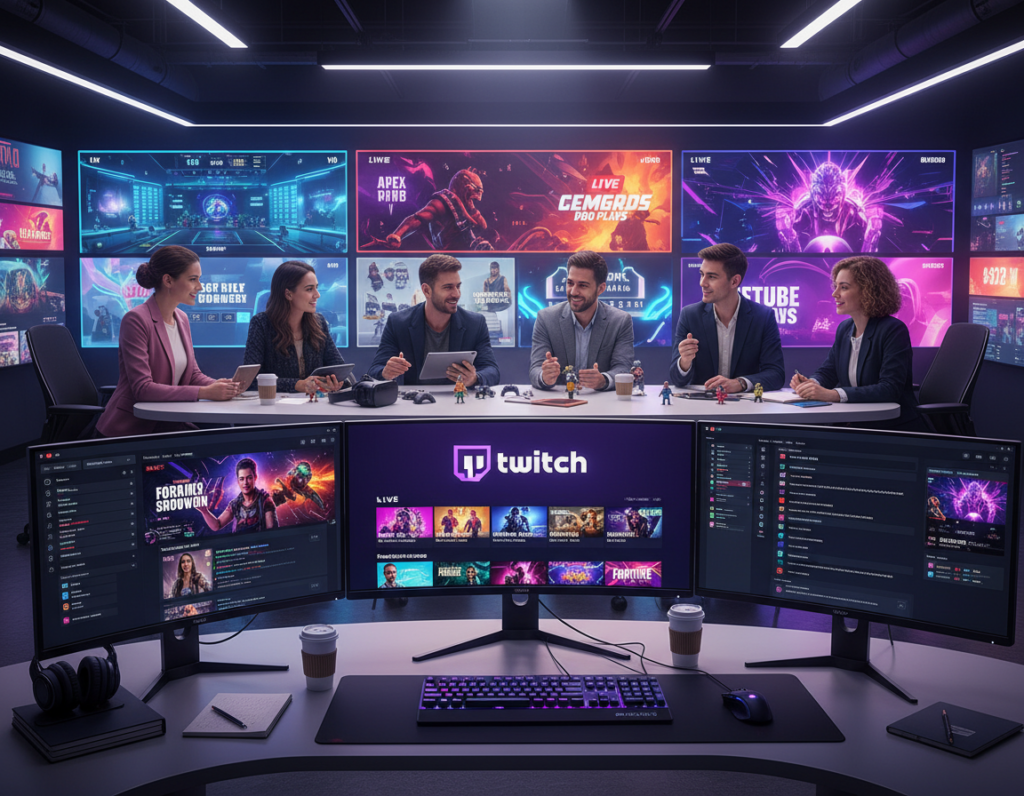
Nearly half of U.S. adults now play video games at least three hours a week, a shift that changed how companies connect with people online.
The modern marketing landscape asks firms to value the player first. They must move beyond ads and deliver real engagement through content, social media, and platform-native campaigns.
Success comes from understanding diverse audience segments, from Gen Z to Alpha. Smart teams use video, influencers, and events to build trust and community.
By prioritizing authentic interaction, companies turn casual players into loyal supporters. This section outlines the strategy and approach needed to reach potential customers across digital platforms.
Understanding the Evolution of Gaming Brand Audience Growth
Over the past decade, interactive entertainment shifted from niche hobby to major economic force. Tech Jury now estimates the gaming industry at about $180 billion, a figure that changed how teams plan marketing strategy.
Successful companies study the gaming community to map where players spend time and why they engage. They look at platforms, social media patterns, and the lifecycle of video games to decide where to place content and promotions.
Today, social media and live video drive discovery. Teams partner with influencers and use short-form clips to announce new game releases. This approach increases engagement and helps brands scale across regions.
Firms that adapt their marketing strategy to the evolving world of online gaming find long-term success. By tracking platform trends and player behavior, they choose the right channels and craft campaigns that create lasting connections.
Tapping into the Cultural Artistry of Gaming
Shared virtual spaces have become cultural stages where interactive experiences shape identity. These rooms, lobbies, and persistent worlds let people meet, create, and perform together.
Why this matters:
- Cultural artistry in the gaming world helps teams integrate into lived experiences.
- With 70% of Gen Z using games as social spaces, there is a clear way to reach users beyond play.
- A player-first marketing strategy emphasizes authentic content and respect for communities.
Creating immersive virtual spaces leads to deeper connections. When companies design shared spaces that invite participation, communities value those interactions more than passive ads.
Influencers also guide discovery inside these platforms. They help navigate social dynamics and amplify content that feels native to the space, increasing the chance of lasting success.
The Role of Shared Virtual Spaces
Design matters: spaces must be purposeful, social, and easy to join. That combination makes them places where people return and recommend to friends.
Leveraging Social Media Platforms for Community Engagement
Live platforms and community channels let developers meet players where they spend hours every day.
Utilizing live streams to build trust
Streaming, like twitch, gives teams immediate feedback. Hosts can demo gameplay, answer questions, and showcase patches in real time.
This direct contact boosts engagement and turns casual viewers into repeat visitors.
Building presence on Discord servers
Creating tight-knit spaces for direct talk
Discord servers offer studios a place for focused conversation and quick updates.
They work best when moderators keep channels active and events are regular. This keeps the community responsive and loyal.
Maximizing reach through YouTube content
Long-form video for discoverability and reach
With over 50 billion hours watched in 2018, YouTube proves how large the potential is for video-driven success.
Effective teams mix trailers, tutorials, and developer diaries to expand reach while managing a tight social media budget.
- Prioritize platforms where the game audience is most active.
- Balance promotional posts with genuine community interaction.
- Measure engagement and reallocate budget toward top-performing tools.
Implementing In-Game Advertising Strategies
In-game ads can reach players without breaking immersion when executed with care. They work best when the placement feels native to the play session and supports the player’s experience.
Key advantages include organic reach and lower ad fatigue. The Wendy’s campaign in Fortnite is a standout example: it generated more than 1.5 million minutes of watch time by making promotion playful and shareable.
Successful teams partner with game studios to craft immersive spots. These collaborations let marketers design interactive spaces, sponsored missions, or cosmetic items that resonate with the community.
- Integrate messages so they feel natural to the game world.
- Use data to target specific player segments and tailor content.
- Measure engagement and iteratively refine the campaign.
For teams building a comprehensive approach, studying blended formats helps. See practical tips on blended placements in this in-game advertising guide.
Partnering with Influencers and Esports Organizations
Connecting with pro players and content creators unlocks trust that paid ads rarely achieve. Partnerships give teams a direct line into communities and make marketing feel less interruptive.
Choosing the right partners means finding people who know the game and speak to fans honestly.
Identifying Authentic Ambassadors
Successful outreach focuses on credibility. Teams vet creators for playstyle, voice, and past collaborations.
Key checks include engagement rates, content quality, and community sentiment. Adidas is a clear case: it worked with popular influencers to launch co‑branded merchandise and saw notable sales increases.
“When partnerships feel genuine, fans respond with trust and purchase intent.”
Sponsoring Competitive Events
Esports organizations offer structured exposure and loyal viewership. Sponsoring tournaments increases reach across streaming platforms like Twitch and social media.
A smart sponsorship ties messaging to the event experience. Teams can sponsor prize pools, in‑game items, or broadcast segments to support long-term success in the gaming industry.
- Leverage streamers to amplify live reaction and credibility.
- Activate shoppable drops or merch tied to event moments.
- Measure engagement and refine which partners deliver the best return.
Utilizing Data-Driven Insights for Targeted Campaigns
Deep analytics let marketers map behavior and tailor messages that actually land with players.
Data-driven tools collect play patterns, session length, and in-app actions. Teams use these signals to segment users and prioritize high-value groups.
Targeted campaigns reach specific audience segments with timely offers and relevant content. This reduces waste and improves conversion across platforms.
By tracking engagement metrics, teams optimize creative, timing, and placement. They run A/B tests and iterate based on real results to sharpen their marketing strategy.
Personalization matters: brands that match messages to player preferences see higher retention and more effective ad spend.
- Analyze telemetry to find top platforms and content types.
- Segment by behavior to send relevant offers.
- Measure engagement and refine campaigns continuously.
For practical examples and analytics tactics, review a detailed playbook on a data-driven game plan.
Creating Immersive Experiences Through Gamification
Interactive rewards and layered challenges turn passive viewers into active participants in digital spaces.
Gamification lets teams build immersive experiences that invite the gaming community to take part. It moves users from watching to doing.
Designing Interactive Rewards and Challenges
Design begins with clear goals and simple mechanics. Players should understand what to do in seconds and feel progress every time they interact.
High-quality gaming content and short videos reinforce those mechanics. This content offers value while supporting a marketing strategy that respects the community.
Practical elements to include:
- Tiered rewards that unlock with repeat play to boost engagement.
- Social goals that encourage sharing on social media and platforms.
- Short, replayable challenges that suit different audience segments.
When executed well, gamified experiences deepen connections and extend campaign life. They become a sustainable way to keep users returning and recommending games and services.
Conclusion: Sustaining Long-Term Brand Loyalty
Sustaining loyalty takes steady work, clear priorities, and a willingness to learn. Teams that commit to ongoing care build trust inside the gaming community.
They must apply expertise to adapt their strategy as platforms and player habits change. Authentic engagement remains the most reliable tool for long-term relevance.
Studying each success case helps refine tactics. Continuous investment in high-quality games and content keeps interest strong across a diverse community.
Ultimately, the companies that thrive treat games as a core business channel and keep relationships at the center of every marketing strategy. Learn more about practical steps in mastering gaming brand success.