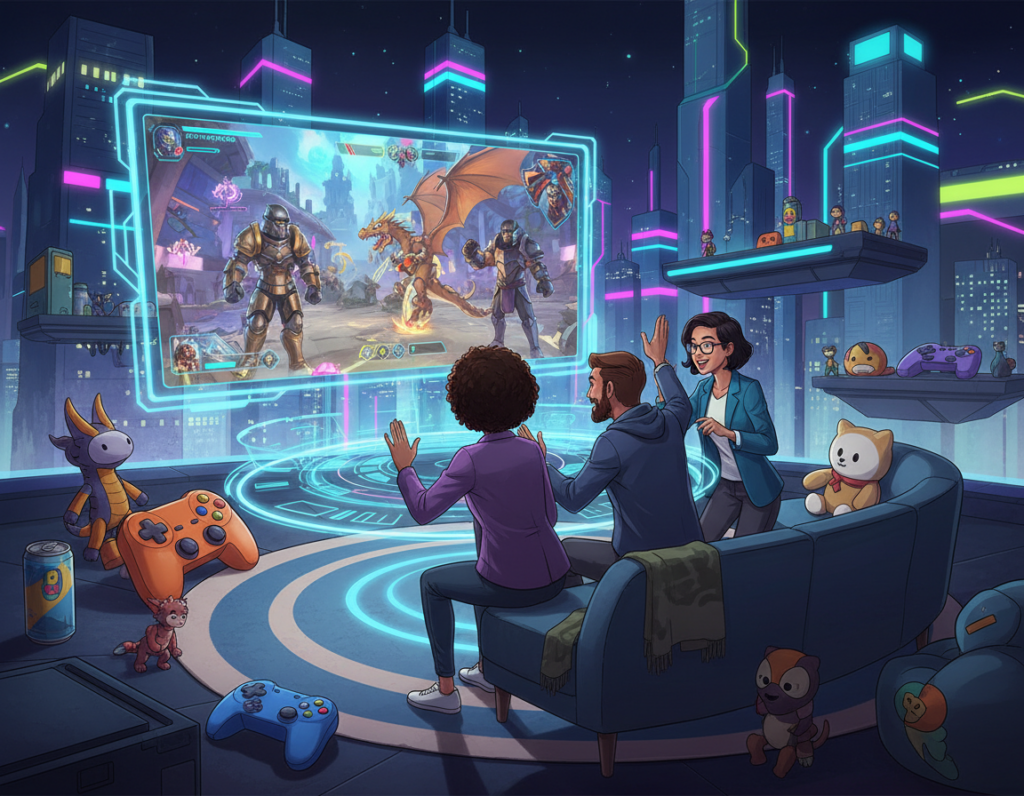
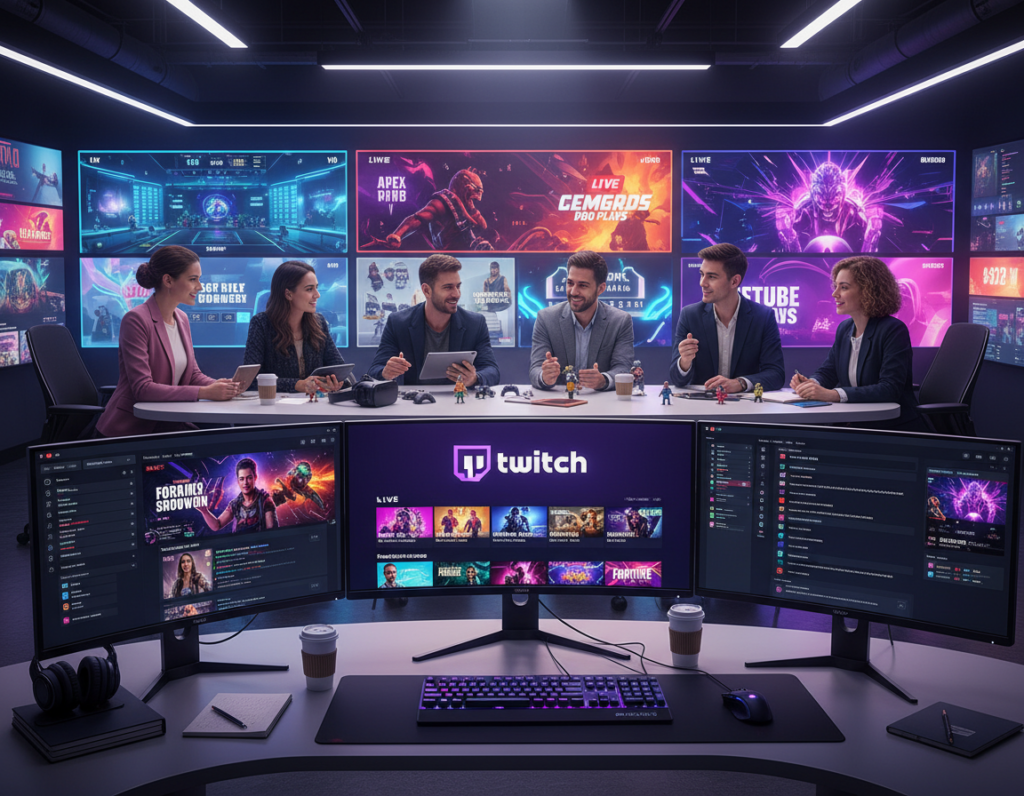
The modern gaming world is a cultural force that moves fast. Brands must adopt sharper, audience-first approaches to stay relevant and visible.
With over two billion players worldwide, this industry offers brands a rare chance to form real bonds. They can create immersive moments that feel authentic and valuable to fans.
This guide explores how to build a vibrant community by tapping into the flow state players enter during play. It shows practical steps for platform choice, technical setup, and messaging that respect player culture.
Marketers who learn these nuances can move beyond traditional ads and craft interactions that matter. The result is stronger community ties and measurable engagement for long-term impact.
The Evolution of Gaming in Modern Marketing
Modern brands now treat digital play spaces as primary channels for storytelling and product trials. The industry shifted quickly from niche hobby to mainstream market, and marketers must adapt to that pace.
The Rise of Immersive Worlds
Immersive worlds let a brand build meaningful product narratives inside a platform or custom game. Developers create environments where a product fits naturally, not as an interruption.
One clear example is the AXE x Lil Baby Shonen Baby virtual world, which shows how a brand can craft an experience that feels like part of the world.
Reaching the Young Demographic
Thirty-eight percent of gamers are age 18 to 34, and players average 7 hours and 7 minutes per week in play. This creates a measurable opportunity for marketers to reach an attentive audience.
Brands succeed when they combine influencer partnerships, virtual events, and developer-led platforms. These channels let marketers create campaigns that feel authentic and respect player culture.
- Influencers and live events provide social proof and real-time activation.
- Custom platforms enable deeper storytelling and product integration.
- Measured campaigns turn time spent on platforms into marketing results.
For a practical roadmap to standing out in this market, see mastering brand success.
Understanding the Value of Gaming Content Engagement
Active player communities turn playtime into measurable value for brands and teams. Verizon reported a 75% rise in usage during the pandemic, which shows that players spend more time across platforms and media now.
That extra time creates a clear marketing opportunity. A strong community becomes the base that helps developers and marketers promote a new game or product more efficiently than broad advertising buys.
When technical problems occur, the community is also a fast feedback loop. For example, public criticism — like Snoop Dogg calling out EA when servers failed — highlights how quickly issues can spread. A responsive team can turn those moments into trust-building opportunities.
- Lower acquisition costs: selling to an existing base is more efficient than finding new users.
- Faster feedback: players flag challenges and request fixes in real time.
- Long-term value: regular gameplay updates and high-quality content keep gamers invested.
- Cross-device reach: understanding future gaming habits lets brands meet audiences where they play.
Identifying the Right Platforms for Your Community
Mapping where players spend time online is the first step in building a sustainable community. Brands should focus on real activity, not assumptions.
Researching Audience Activity
Start by tracking where the target audience talks about a game. Look at Reddit threads, Twitch streams, Fandom pages, and Quora answers to spot trends.
Compare activity levels across channels and media. Spending effort on Facebook may be wasted if core players live on Discord or a niche forum.
Watch influencers closely. Influencers often set the gathering points. Their moves indicate which platform will carry the most momentum.
- Meet players where they already exist, rather than forcing migration to a brand-owned platform.
- Use data to prioritize platforms with the highest active user overlap for the game.
- Allocate resources to the channels that show sustained conversation, not one-off spikes.
By analyzing activity early, developers ensure community work targets the platforms with the best potential for long-term growth.
Strategies to Foster Active Player Participation
Active communities grow when brands create clear, repeatable ways for players to participate.
These tactics make a game feel alive and give the audience a reason to return.
Promoting Community-Created Work
Highlight player art and achievements. Public recognition signals that the team values contributions.
For example, No Man’s Sky boosted morale by sharing fan art in a development update. That simple act turned creators into advocates.
Sharing Brand Stories
Behind-the-scenes updates help the community see the team and product as human, not only advertising. Regular dev notes, patch stories, and progress posts build trust.
“Players back projects they understand. Transparency fuels loyalty.”
Offering Value Beyond Pitches
Host exclusive events, limited giveaways, or in-game challenges that reward participation.
- Run regular challenges: short runs with clear rewards to keep momentum.
- Use influencers smartly: let creators amplify genuine stories rather than scripted ads.
- Blend social media with gameplay: let players share achievements to extend reach.
These strategies strengthen the player base and help brands turn time spent into lasting value. For a practical guide on crafting this kind of outreach, see crafting compelling material.
Leveraging Data to Refine Your Gaming Campaigns
Today’s marketers use spatial analytics to map player flows and measure reactions inside a virtual world.
Advanced tools like Metalitix 3D analytics give teams detailed heatmaps of movement, pause points, and attention spans. AXE used this approach to learn which virtual placements drew the most interest.
Data-driven marketing lets brands test small changes and watch results in real time. Teams track player preferences, play styles, and emotional cues to refine a campaign quickly.
Developers can use those signals to design personalized journeys that keep players returning. This reduces wasted spend and improves product fit across platforms.
- Identify top-performing events: see which activations actually move behavior.
- Optimize placement: place a product where players naturally stop or gather.
- Iterate fast: run small experiments and scale what works.
“Data lets brands measure value inside a world, not guess at it.”
For a practical guide on applying analytics to refine strategy, consult this data analytics primer.
Technical Infrastructure for Seamless Content Delivery
For brands and developers, the right backend reduces friction between idea and live gameplay. Implementing a headless CMS such as Contentstack lets teams manage game assets separately from presentation.
Contentstack was named a Leader in the Forrester Wave: Content Management Systems (CMS), Q1 2025. That recognition matters because it shows the platform can scale for enterprise needs.
Seamless delivery keeps updates moving and prevents long delays in marketing, advertising, or patch rollouts. A robust stack ensures games and media assets reach players across platforms quickly.
- Marketers can publish new copy and promotions in minutes, reducing technical bottlenecks.
- Developers keep the platform stable while creative teams update assets independently.
- Flexible architecture handles high volumes of content so a game stays fresh over time.
“A decoupled system turns slow releases into routine updates.”
For more on improving distribution layers and latency, review how CDNs support seamless delivery.
Conclusion
A resilient community turns occasional players into loyal brand advocates. Building a strong community reduces acquisition costs and creates lasting value for any marketing plan.
Brands that prioritize authentic interaction and steady value reach their target audience across social media and in-game channels. Leveraging influencers, applying data-driven insight, and using a headless CMS keeps delivery fast and reliable.
In a fast-moving industry, the best campaigns combine empathy with measurement. Marketers who blend strategy, tech, and respectful storytelling will keep audiences connected and ready to return.