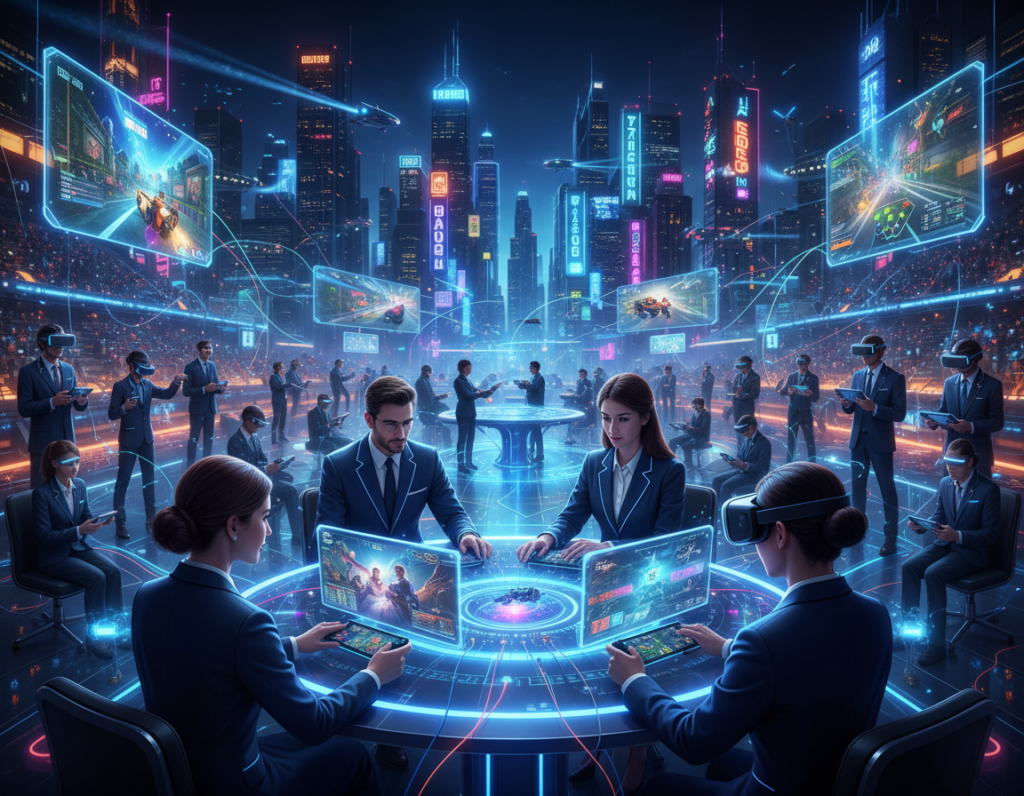
The gaming landscape has evolved tremendously in recent years, bringing with it an array of new technologies that are reshaping how we play. As we look toward the future of gaming, several trends stand out, promising to transform our gaming experiences dramatically. From virtual reality advancements to the rise of cloud gaming, the next decade in gaming technology is full of exciting possibilities.
Technology continues to advance at an unprecedented pace, leading to innovations that many gamers may not have imagined even a few years ago. High-speed internet, powerful hardware, and innovative software development are creating a fertile ground for spectacular gaming experiences. As we explore the future, we’ll delve into various aspects of gaming technology that are poised to redefine the industry.
In our exploration, we’ll cover critical areas, including augmented reality, artificial intelligence, and player interaction. By understanding these developments, you will gain insight into how gaming will continue to evolve and engage users in novel ways. Let’s embark on this journey into the future of gaming technology together.
Advancements in Virtual Reality
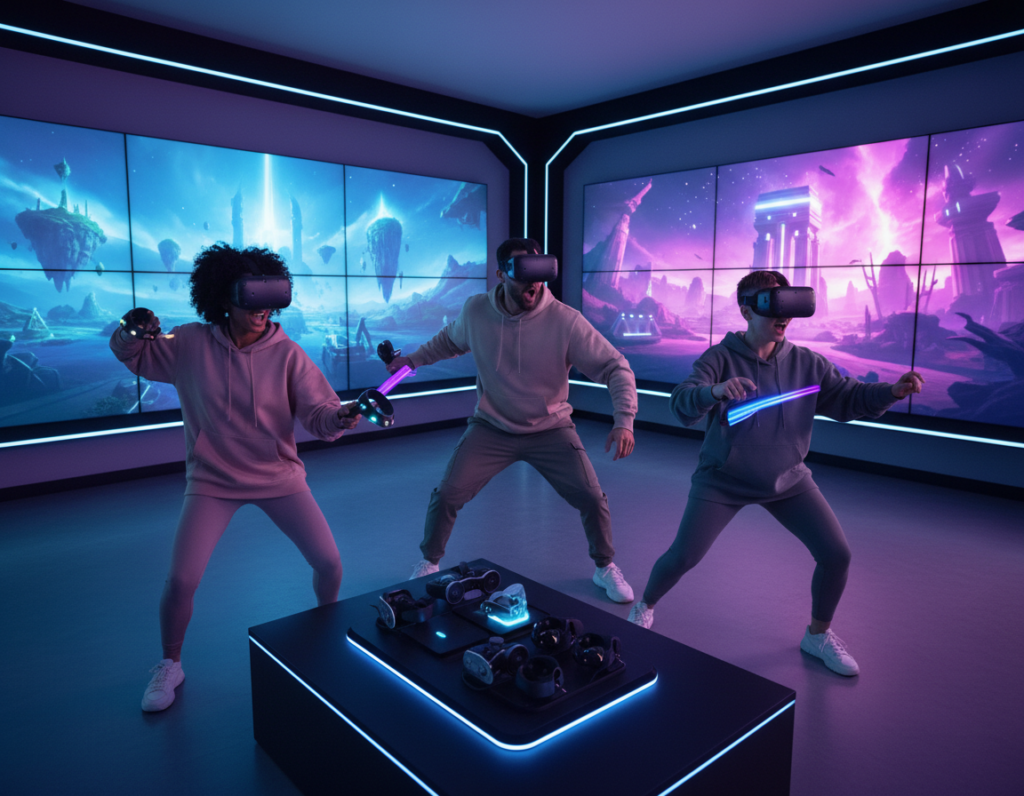
Virtual Reality (VR) has captivated gamers and developers alike. With improved hardware capabilities, VR experiences are becoming more immersive and realistic. New gaming headsets are designed to deliver sharper graphics and enhanced audio, creating a more compelling environment.
One of the most exciting developments is the introduction of standalone VR headsets. These devices operate without the need for a powerful PC or console, making VR accessible to a broader audience. This accessibility is crucial for mass adoption, especially among casual gamers.
Moreover, advancements in haptic feedback technology are allowing players to feel sensations directly within the game. This sensory integration adds depth to the gaming experience, simulating realistic interactions in virtual environments. As developers leverage these advancements, the line between the virtual world and reality will blur.
To further enhance social interaction, multiplayer VR platforms are gaining traction. These platforms enable players to connect and interact in shared virtual spaces, fostering a sense of community and engagement. Future games will likely explore innovative ways to utilize these environments.
The potential applications of VR extend beyond gaming. Industries such as healthcare and education are utilizing VR for training and simulation purposes. Thus, VR technology will continue to permeate various sectors, ensuring its relevance and sustainability moving forward.
Cloud Gaming: The Power of Streaming
Cloud gaming has emerged as a revolutionary concept, enabling gamers to stream titles directly to their devices without the need for expensive hardware. This technology democratizes access to gaming, allowing more people to enjoy high-quality experiences.
Browser-based cloud gaming eliminates the need for downloads, making games instantly accessible. Gamers can switch between devices seamlessly, playing on consoles, PCs, or mobile devices. This flexibility opens new avenues for engagement and entertainment.
Services like Google Stadia, NVIDIA GeForce NOW, and Xbox Cloud Gaming are constantly improving their offerings, aiming to reduce latency and enhance performance. These innovations will allow for high-definition gaming experiences that rival traditional setups.
Moreover, the future of cloud gaming also involves advancements in artificial intelligence. As AI evolves, it will play a crucial role in optimizing gaming experiences, adjusting game parameters in real-time based on player behavior and network conditions.
Despite its potential, cloud gaming faces challenges such as bandwidth limitations and data costs. However, as internet infrastructure improves across the globe, these issues will likely diminish, paving the way for a more expansive cloud gaming landscape.
Artificial Intelligence in Gaming
Artificial Intelligence (AI) has found its way into various aspects of gaming. From character behavior to game design, AI is enhancing player experiences. One of the most noticeable applications is in non-player character (NPC) behavior.
AI-driven NPCs can learn from player actions, adapting their strategies to create more dynamic and challenging gameplay. This adaptability keeps gameplay fresh and engaging, encouraging players to develop new tactics consistently.
Additionally, AI is being employed to create procedurally generated worlds. These expansive, dynamic environments allow developers to craft unique experiences for players, extending the replayability of games. This technology is revolutionizing open-world game design.
Game testing and development are also being transformed by AI. Automated testing can identify bugs and issues more quickly than before, allowing developers to streamline game production and improve overall quality. This efficiency could lead to quicker turnaround times for new games.
As AI technology advances, we can expect even more innovative applications in the gaming industry. From personalized experiences to enhanced storytelling, AI is set to play a critical role in shaping the future of gaming.
Augmented Reality: Blurring the Lines
Augmented Reality (AR) technology overlays digital elements onto the real world. This merging of realities can create engaging and interactive experiences. Popularized by games like Pokémon GO, AR games encourage physical movement and exploration.
As AR technology matures, developers are exploring practical applications beyond gaming. Enhanced learning experiences and interactive training modules are on the horizon, showcasing how AR can blend entertainment and education for versatile purposes.
Furthermore, the rise of wearable AR devices, such as smart glasses, is poised to change how we experience gaming. These gadgets will enable an inconspicuous integration of gaming into our daily lives. Gamers will no longer need to pull away from their surroundings.
Community interaction and real-world events can also benefit from AR. Gamers participating in location-based challenges can gather, collaborate, and compete in exciting settings without the constraints of traditional gaming setups.
As AR technology develops, it will likely lead to new gaming genres that redefine player interaction and experience. This continuous evolution will attract a broad range of participants, from casual to hardcore gamers.
Blockchain and Gaming: A New Era
Blockchain technology has been making waves across various industries, including gaming. By introducing decentralized systems, blockchain provides unique ownership opportunities through non-fungible tokens (NFTs). These tokens allow players to truly own their in-game assets.
With blockchain, players can buy, sell, and trade assets securely. This potential for real-world value creates an economic ecosystem where players are rewarded for their time and effort spent in games. This shift could redefine the motivation behind gameplay.
Additionally, blockchain games can foster community-driven development. Game developers can incorporate player feedback and proposals directly into the creation process, allowing for a more collaborative gaming landscape. Players’ voices will hold more significance.
However, the implementation of blockchain in gaming is still in its infancy. Issues like environmental concerns and the inherent risks of digital ownership need addressing. Ongoing innovations will play a vital role in resolving these challenges.
Ultimately, the integration of blockchain technology could lead to a significant shift in how gamers interact with their favorite titles. By merging gaming and finance, blockchain can personalize and enrich the gaming experience like never before.
Esports and the Competitive Gaming Future
Esports have rapidly grown, becoming a cultural phenomenon. As tournaments reach massive audiences, the competitive gaming landscape is evolving. Major events are attracting millions of viewers worldwide, reshaping the gaming industry.
Advanced technology has led to better broadcasting methods. High-definition streams, interactive features, and virtual reality presentations are enhancing viewer experiences. As a result, esports are becoming more accessible and engaging for fans and players alike.
Moreover, the rise of college esports programs demonstrates a growing acceptance of gaming as a competitive sport. Scholarships and organized teams are emerging, allowing students to pursue academic and athletic endeavors in tandem.
Furthermore, the integration of AI and analytics is improving player training techniques, allowing participants to analyze performance and identify areas for improvement. This technological support elevates competitive play and fosters talent development.
As esports continue to expand, the future may see the formation of global leagues and franchises, further cementing esports’ place in the mainstream. Gamers will witness continuous innovations, making competitive gaming more thrilling.
Conclusion: Embracing the Future of Gaming
The future of gaming technology promises to be exciting and transformative. With developments in virtual reality, cloud gaming, and AI, the way we play and interact with games will continue to evolve. Each technology offers unique benefits, enriching player experiences and fostering innovation.
As gamers, embracing these changes enables us to enjoy increasingly immersive and engaging experiences. Keeping up with these advancements will ensure we remain at the forefront of the gaming revolution. The possibilities seem endless as the industry continues to grow.
Ultimately, the gaming landscape will shape our entertainment and social experiences in ways we have yet to fully understand. By remaining open to new technologies and trends, gamers will benefit from exciting developments for years to come.
| Technology | Description | Impact on Gaming |
|---|---|---|
| Virtual Reality | A technology that immerses players in a digital environment. | Enhances player engagement and interactivity. |
| Cloud Gaming | Streaming games directly from the cloud to devices. | Increases accessibility and eliminates hardware barriers. |
| Artificial Intelligence | Intelligent algorithms that adapt gameplay. | Personalizes experiences and improves game design. |
| Augmented Reality | Overlaying digital content on the real world. | Creates interactive environments and enhances gameplay. |
| Blockchain | A decentralized system for ownership of digital assets. | Allows for true ownership of in-game items. |
- Increased accessibility for gamers.
- Enhanced player experiences through technology.
- Potential for economic opportunities in gaming.
- Integration of AI for personalized gameplay.
- Growth of community-driven gaming initiatives.