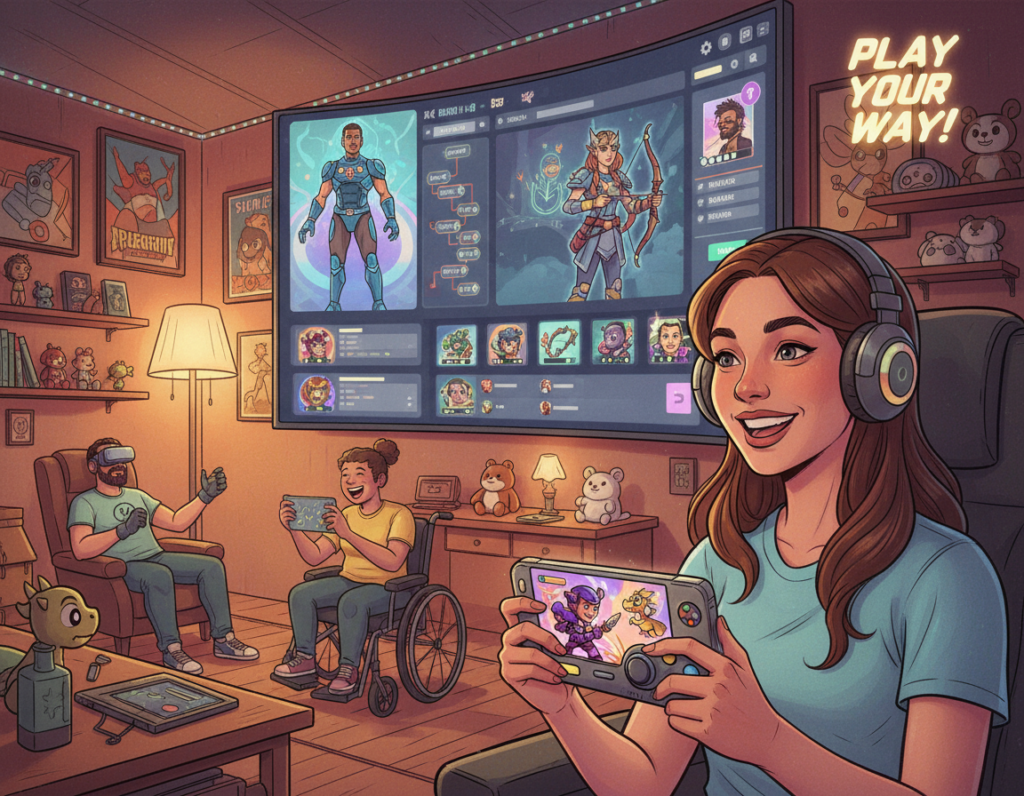
Creating gaming resources can significantly enhance the experience for both developers and players. A well-structured resource caters to diverse needs, ensuring a comprehensive and engaging environment. In this article, we will explore the essential steps to effectively create these resources.
From game guides and character databases to forums and live streams, the landscape of gaming resources is vast. Understanding what players seek helps design effective tools that enhance their overall gaming experience. High-quality resources not only build communities but also boost the viability of new games.
This article will guide you through the process of creating and managing your gaming resources. Each section provides insights into planning, designing, and implementing resources that resonate with your audience. Let’s dive into the essentials!
Understanding Your Audience
To create effective gaming resources, understanding your audience is vital. Gathering insights about your target demographic shapes how resources should look and function. Consider age, gaming preferences, and platforms played.
This understanding allows for the creation of content that is both relevant and appealing. Engaging with potential users through surveys and polls can provide valuable information. Tailoring resources to audience needs leads to higher engagement rates.
Additionally, consider the skills and challenges faced by the audience in different games. Addressing these aspects can enhance your resource’s effectiveness, giving players valuable tools. Resources must relate to users’ experiences, thereby increasing their value.
Incorporating feedback mechanisms into your resources fosters user engagement. Encouraging comments or suggestions ensures user voices are heard. This feedback loop cultivates a community around your resources, enhancing their overall quality.
Finally, remember to analyze user behavior regularly to adapt your resources. Tracking engagement metrics helps refine your approach over time. Creating gaming resources is an ongoing process driven by audience insights.
Planning Your Resources
Proper planning is essential for crafting gaming resources that resonate with users. Define the scope of the resource, including its purpose and functionality. Clear objectives guide the development process effectively.
Next, identify the specific content types you plan to include. This could range from tutorials and FAQs to databases and interactive maps. Each content type serves different user needs and expectations.
Organize the information logically to enhance usability. Structure your resources in a way that allows for easy navigation and access to vital information. A well-planned layout keeps users engaged and encourages return visits.
Additionally, consider potential collaboration opportunities with other creators or streamers. Partnering can expand reach and add diverse perspectives to your resources. Collaborative content often attracts a wider audience, benefiting all parties involved.
Lastly, develop a timeline for the project’s rollout, including milestones. Mapping out the development process ensures timely delivery and provides a roadmap for future improvements. Consistent deadlines keep the project on track.
Designing User-Friendly Interfaces
User interface design plays a crucial role in the success of gaming resources. An intuitive layout ensures easy access to information while improving the overall user experience. Prioritize clarity and simplicity in your designs.
Utilize visually appealing elements such as captivating graphics and concise typography. These elements should align with the gaming theme of your resources. A cohesive design aesthetic helps strengthen brand identity.
Incorporate responsive design principles for optimal performance across devices. Resources should function seamlessly on desktops, tablets, and smartphones. This inclusivity enables users to engage with content regardless of their device.
Additionally, ensure that navigation tools are clearly marked and easy to use. Clear menus and search functionalities enhance usability, allowing users to find information swiftly. Consider providing quick access to popular sections or most-visited articles.
Finally, test the prototype with real users to gather feedback. Observations during testing can highlight areas for improvement. Refining your designs based on user input leads to a better overall resource experience.
Content Creation Strategies
Creating high-quality, engaging content is the heart of gaming resources. Develop a consistent tone and style that resonates with your audience. Authenticity in content fosters trust and builds community around the resource.
Consider various content types to appeal to different user preferences. These can include written guides, video tutorials, and podcasts. Combining multiple formats can also cater to diverse learning styles.
Conduct thorough research to ensure the information provided is accurate and up-to-date. Accurate content not only builds credibility but also enhances user satisfaction. Regular updates on content maintain relevance in the ever-evolving gaming landscape.
Incorporating storytelling elements can make content more engaging. Craft narratives around characters, gameplay experiences, and challenges. This approach creates an emotional connection with users, enhancing their gaming experience.
Utilize SEO strategies to enhance the discoverability of your content. Proper keyword usage, meta descriptions, and alt texts can drive organic traffic to your resources. Optimized content reaches a broader audience and increases engagement.
Building Community Engagement
Community is vital for the longevity of gaming resources. Fostering connections among users encourages participation and shared experiences. Engage users with interactive features like forums and chat options.
Organize regular events such as gaming tournaments or Q&A sessions with developers. These interactions offer users opportunities to bond over shared interests. Initiatives like these can strengthen community ties and promote resource loyalty.
Leverage social media platforms to expand your community reach. Create dedicated pages or groups where users can share tips and experiences. Active social media engagement maintains interest in your resources beyond the main platform.
Encourage user-generated content, such as fan art or tutorials. Highlighting contributions from the community increases investment in the platform. This inclusivity fosters a sense of ownership among users.
Lastly, consider implementing reward systems for active community members. Incentives can range from recognition to exclusive content access. Acknowledging contributions encourages sustained engagement and participation.
Optimizing Resources for Search Engines
SEO is critical for ensuring that your gaming resources reach the intended audience. Start with thorough keyword research to identify terms users are searching for. Effective keywords will guide content creation and improve visibility.
Incorporate relevant keywords naturally throughout your content. Avoid keyword stuffing, as it negatively impacts readability and user experience. Focus on creating valuable content that answers user queries authentically.
Optimize meta tags, including title tags and descriptions. These elements significantly influence click-through rates from search engines. Transparent and compelling titles encourage users to explore your resources.
Utilize internal and external linking strategies. Linking to relevant content within your resource enhances user navigation and establishes credibility. Connecting to reputable external sources boosts trust and authority.
Monitor analytics regularly to adapt your strategy. Track user behavior, traffic sources, and engagement metrics to identify trends. Ongoing evaluation allows for continuous improvement of your SEO efforts.
Final Thoughts on Creating Gaming Resources
Creating gaming resources involves a multifaceted approach that blends understanding audience needs with careful planning, design, content creation, and engagement strategies. The journey begins with audience insights and planning.
Designing user-friendly interfaces and creating engaging content enhances user satisfaction and retention. Building a community around your resources fosters loyalty, while effective SEO practices enhance visibility.
As you create, remember that flexibility and adaptability are key. The gaming landscape is ever-evolving, and staying updated ensures your resources remain relevant. Continually gather user feedback to refine and improve.
In conclusion, putting effort into all aspects of gaming resource development pays off significantly. Each element from planning to content creation contributes to the resource’s success. With dedication, your resources can positively impact the gaming community.
By keeping your audience engaged and informed, you pave the way for a thriving gaming resource. Consistent updates, community engagement, and optimization will benefit both you and the users. Happy gaming!